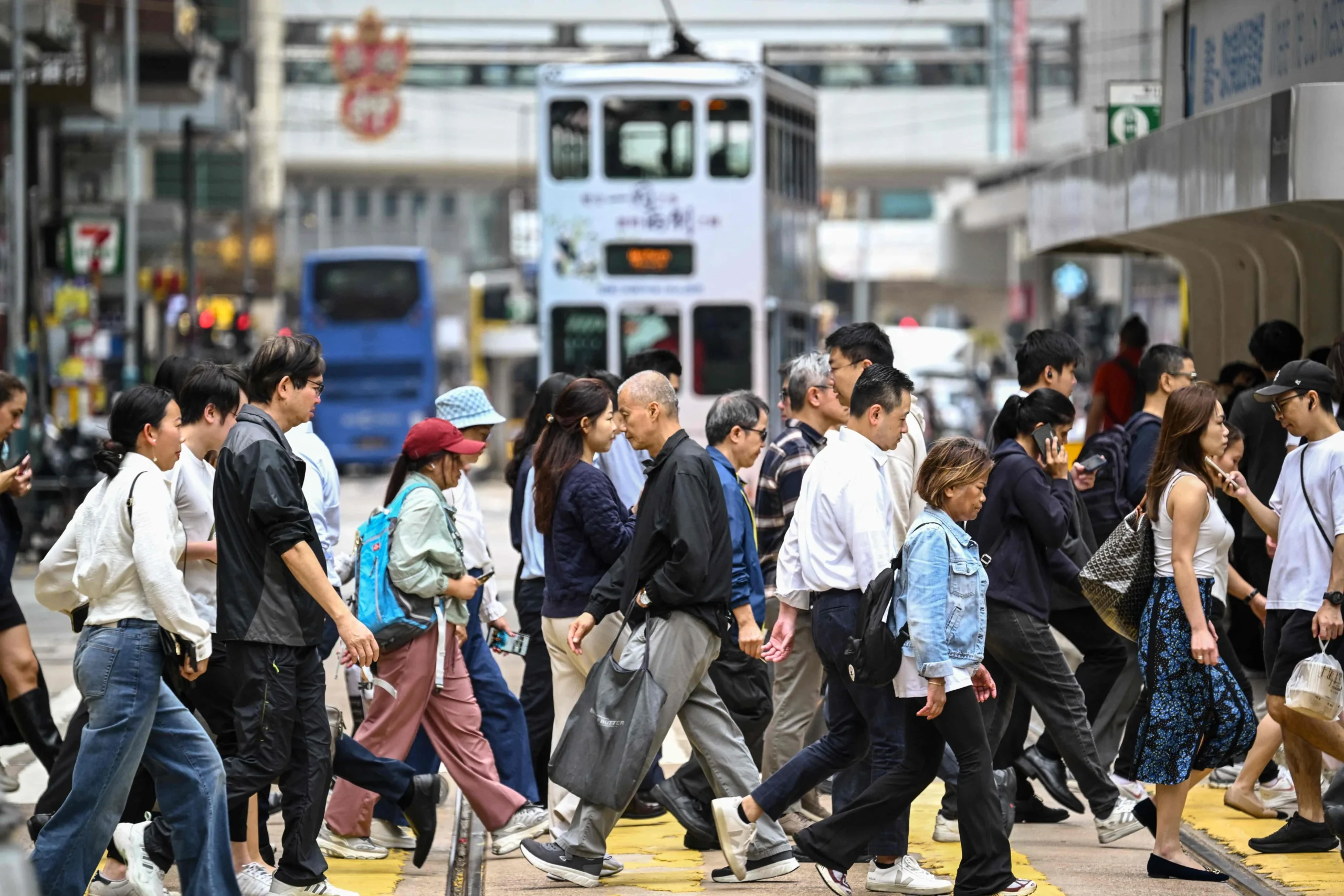
I remember the day I hit rock bottom with my social media habit. It was a rainy afternoon in Lahore, and I’d just spent two hours doomscrolling through endless posts about global crises, only to realize I felt more anxious than informed. That moment sparked a change – I decided to step away from the algorithm-driven chaos and seek out better ways to stay in the know. In this opinion piece, we’ll explore why ditching the feed can lead to deeper understanding, and how you can do it without missing out on what’s important. Let’s dive in, because staying informed shouldn’t feel like a never-ending battle.
The Trap of the Endless Feed
Social media feeds promise a world of information at your fingertips, but they often deliver a distorted reality tailored just for you. Algorithms prioritize content that keeps you engaged, feeding you more of what you already like or react to, creating a loop that’s hard to escape. It’s like being in a room where everyone agrees with you – comforting at first, but ultimately limiting.
Understanding Echo Chambers
Echo chambers form when your feed only shows viewpoints that match your own, reinforcing biases and shutting out diverse perspectives. Studies from places like the Reuters Institute show that this happens because platforms like Facebook and X (formerly Twitter) use data from your likes and shares to curate content. Over time, you might think the whole world shares your opinions, when really, you’re just hearing echoes.
The Overwhelm of Constant Updates
With notifications pinging every few minutes, it’s easy to feel buried under an avalanche of news bites. This constant influx can lead to mental fatigue, where you’re scrolling more out of habit than genuine interest. Remember that viral meme about “doomscrolling”? It’s funny until you realize it’s stealing your peace.
Why Bother Going Beyond?
Venturing outside your feed opens doors to richer, more balanced insights that social media often glosses over. You’ll encounter stories with context, not just headlines designed to provoke outrage. Plus, it frees up mental space for real-life connections – imagine chatting with friends about a book instead of arguing over a tweet.
Benefits for Mental Health
Stepping away reduces anxiety from information overload, letting you process news at your own pace. I once tried a week without feeds and felt lighter, like I’d shed a digital backpack. It’s not about ignorance; it’s about choosing quality over quantity.
Deeper Knowledge and Critical Thinking
Direct sources encourage you to question and analyze, building skills that echo chambers erode. Think of it as upgrading from fast food to a home-cooked meal – more nourishing and satisfying in the long run.
Strategies to Diversify Your Information
The good news is, there are plenty of ways to stay updated without relying on feeds. Start small: pick one new method and build from there. You’ll be surprised how empowered you feel when you’re in control of your info diet.
Embrace Newsletters for Curated Digests
Newsletters like The Skimm or Morning Brew deliver bite-sized summaries straight to your inbox, minus the endless scroll. They’re perfect for busy mornings – I sip my chai while reading, feeling informed without the overwhelm. Just subscribe to a few trusted ones to avoid email clutter.
Tune into Podcasts for On-the-Go Learning
Podcasts such as NPR’s Up First or The Daily from The New York Times offer 15-20 minute episodes on current events. Listen during your commute or walk – it’s like having a knowledgeable friend chat with you. No visuals means less distraction, more focus.
Rediscover Traditional Newspapers
Whether digital or print, outlets like The Guardian or Dawn provide in-depth articles without algorithmic bias. Set aside time each day to read – it’s a ritual that grounds you. Pro tip: Use apps like Apple News for a clean interface.
Use News Aggregators Wisely
Tools like Feedly or Ground News pull from multiple sources, showing bias ratings to help you spot slants. Ground News, for instance, compares left, right, and center views on the same story. It’s a game-changer for breaking echo chambers.
Pros and Cons of Feed-Based vs. Alternative Sources
Let’s break it down simply. Social media feeds are convenient but flawed, while alternatives demand a bit more effort yet yield better results.
- Pros of Feeds: Quick access, personalized, social sharing.
- Cons of Feeds: Echo chambers, misinformation, addiction.
- Pros of Alternatives: Diverse views, depth, mental health boost.
- Cons of Alternatives: Requires setup, less “fun” initially.
Comparison: Top Tools for Staying Informed
Here’s a handy table comparing popular options beyond feeds. I chose these based on ease, reliability, and variety.
| Tool | Type | Key Features | Cost | Best For |
|---|---|---|---|---|
| Ground News | App | Bias checker, multiple perspectives | Free with premium options | Avoiding echo chambers |
| The Skimm | Newsletter | Witty daily summaries | Free | Quick reads |
| NPR Up First | Podcast | 10-min news overviews | Free | Commuters |
| Feedly | Aggregator | RSS feeds from custom sources | Free/Pro ($6/mo) | Customized curation |
| App | Save articles for later reading | Free/Premium ($4.99/mo) | Offline access |
This setup helps you pick what’s right for your lifestyle – for me, a mix of newsletter and podcast keeps things balanced.
Informational: What Is Media Literacy?
Media literacy is the skill of evaluating sources, spotting biases, and verifying facts before sharing. In a world of deepfakes and clickbait, it’s your shield against misinformation. Start by asking: Who wrote this? What’s their angle? Cross-check with sites like FactCheck.org for accuracy.
Navigational: Where to Get Reliable News?
Head to established outlets like BBC News, Reuters, or Al Jazeera for global coverage. For local Pakistani insights, try Dawn or Geo News websites directly. Avoid apps that mix user content – go straight to the source via bookmarks.
Transactional: Best Tools for Balanced News
For the best bias-free experience, try Artifact app or Flipboard, which curate without heavy personalization. If you’re into visuals, Inkl offers ad-free articles from premium sources for a small fee. These tools make staying informed feel effortless.
People Also Ask
Based on common Google searches around staying informed beyond feeds, here are some real questions with straightforward answers.
How Do You Stay Informed Without Doomscrolling?
Limit checks to set times, like morning and evening, and use summaries from podcasts or newsletters. Tools like browser extensions can block feeds during work hours.
What Is an Echo Chamber in Social Media?
It’s when algorithms show only agreeing views, amplifying biases. Break free by seeking opposing sources – try reading conservative and liberal outlets on the same topic.
How Can I Avoid Information Overload?
Curate your intake: unsubscribe from excess emails, turn off notifications, and focus on 2-3 trusted sources. Remember, quality trumps quantity.
Is It Possible to Stay Informed Without Social Media?
Absolutely – rely on direct websites, apps, and books. Many people thrive this way, feeling more in control and less stressed.
Why Do Feeds Make Us Anxious?
They thrive on negativity to keep you hooked, per studies from Wired. Going beyond means choosing positive, in-depth content that informs without alarming.
Real-Life Examples and Stories
Let me share a story from my circle: A friend in Lahore, a busy teacher, ditched her Instagram feed after it fueled election anxiety. She switched to weekly Economist podcasts and felt clearer-headed, even joking that she finally had time to read actual books. It’s relatable – we’ve all been there, refreshing for “just one more update.”
Another example: During the 2022 floods in Pakistan, social media spread rumors fast, but those who turned to official sources like NDMA’s website got accurate aid info. It’s a reminder that feeds can mislead, while direct channels save lives.
Humorously, I once tried “feed fasting” – no social media for a day. By evening, I was chatting with neighbors about local news, realizing the world didn’t end without my likes.
Building Habits for Long-Term Success
Transitioning isn’t overnight, but small steps add up. Start by auditing your feed: Unfollow rage-bait accounts, follow fact-checkers. Over time, you’ll notice sharper thinking and less FOMO.
Pros and Cons of Digital Detox
- Pros: Renewed focus, better sleep, authentic connections.
- Cons: Initial withdrawal, missing casual updates.
Weigh them – for most, pros win.
Comparison: Traditional vs. Modern Methods
Traditional methods like newspapers offer depth, while modern ones like apps provide speed. Blend them: Read a print paper on weekends, use apps weekdays.
| Method | Depth | Speed | Accessibility |
|---|---|---|---|
| Newspapers | High | Low | Moderate |
| Podcasts | Medium | High | High |
| Apps | Medium | High | High |
This mix ensures comprehensive coverage.
Emotional Appeal: Reclaim Your Mind
Imagine waking up without that urge to scroll – instead, you’re excited about a thoughtful article. It’s liberating, a quiet rebellion against tech giants profiting from our attention. You deserve information that empowers, not exhausts.
Internal and External Links
For more on media habits, check our site’s guide on digital wellness (internal). Externally, read Wired’s piece on breaking echo chambers for expert insights.
FAQ
How Do I Start Reducing My Feed Time?
Set app limits on your phone – iOS and Android have built-in tools. Replace scrolling with a book or walk. Track progress weekly.
What Are the Best Free Tools for News?
Ground News for bias checks, NPR podcasts for audio, and Reuters app for straight facts. All free and reliable.
Can Going Beyond Feeds Improve Relationships?
Yes – less online arguments mean more real talks. Friends appreciate when you share well-researched views over memes.
How to Spot Misinformation Outside Feeds?
Use the SIFT method: Stop, Investigate source, Find better coverage, Trace claims. It’s simple and effective.
Is Print News Still Relevant?
Definitely – it encourages slow reading, reducing skim habits from feeds. Plus, no ads popping up mid-sentence.
In wrapping up, going beyond the feed isn’t about disconnecting; it’s about reconnecting with meaningful information. I’ve seen it transform my days from frantic to focused, and I bet it can for you too. Give it a try – your mind will thank you.
Leave a Reply