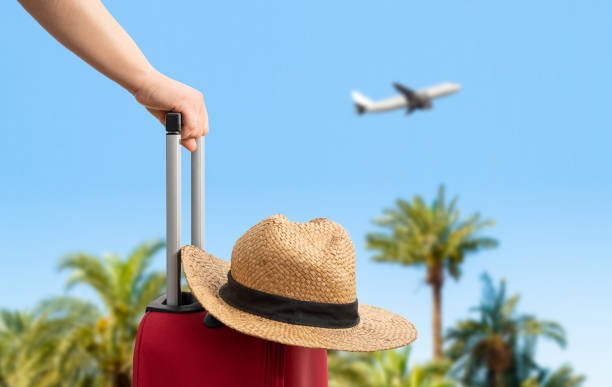
Remember that trip I took right after the world started opening up again? It was nothing fancy—just a road trip to the mountains with a couple of friends. But man, after months of staring at the same four walls, hitting the open road felt like pure freedom. We laughed about how we’d forgotten what fresh air smelled like outside our backyards. Fast forward to now, and it seems like everyone’s catching that same bug. The travel industry is buzzing with energy, and if the forecasts hold true, 2026 is shaping up to be a blockbuster year. We’re talking about global travel spending that’s not just recovering—it’s leaping ahead, driven by pent-up demand, smarter tech, and a world that’s more connected than ever. But what’s behind this surge? Let’s dive in, drawing from the latest reports and my own wanderlust-fueled insights, to unpack why your passport might get a serious workout this year.
The Projected Leap in Global Travel Spending
Picture this: in 2025, the travel and tourism sector pumped a whopping $11.7 trillion into the global economy, making up about 10.3% of world GDP. That’s already impressive, but experts are calling for even bigger numbers in 2026. International visitor spending alone is expected to hit around $2.1 trillion, finally topping pre-pandemic highs. Organizations like the World Travel & Tourism Council (WTTC) and the International Air Transport Association (IATA) paint a picture of steady growth, with air passenger numbers climbing to 5.2 billion—up 4.4% from the previous year. It’s like the world collectively decided it’s time to make up for lost adventures.
This leap isn’t just about more people flying; it’s about smarter, more intentional spending. From business trips sealing deals to families chasing bucket-list experiences, the dollars are flowing. But hold on—economic headwinds like inflation and geopolitical tensions could temper things a bit, as noted in Deloitte’s outlook. Still, the overall vibe? Optimistic.
Breaking Down the Numbers
Let’s get granular. Global business travel spending is forecasted to reach about $1.69 trillion in 2026, according to the Global Business Travel Association (GBTA). That’s a solid bump from 2025, with 84% of buyers expecting their companies’ budgets to hold steady or grow. On the leisure side, Phocuswright pegs the total global travel market at $1.67 trillion, with projections pointing upward thanks to resilient demand. It’s fascinating how these figures reflect a shift—people aren’t just traveling; they’re investing in experiences that stick.
Regional Variations in Growth
Not every corner of the globe is leaping at the same pace. Asia-Pacific is leading the charge, with countries like India expecting 12% year-over-year growth in air travel demand. Europe forecasts a 6.2% rise in arrivals, fueled by long-haul trips surging 9%. Meanwhile, the U.S. might see a more modest 3.9% increase in international inbound travel, boosted by events like the FIFA World Cup. It’s like a global relay race, with each region passing the baton.
Key Drivers Fueling the Spend Surge
What’s pushing this leap? For starters, the post-pandemic mindset shift. I recall chatting with a fellow traveler on a flight last year who said, “Life’s too short not to see the world.” That sentiment echoes in the data—76% of travelers are planning milestone trips in 2026, per AAA surveys. Add in falling airfares (down 10% internationally) and it’s no wonder budgets are stretching further.
Technology plays a huge role too. AI is making planning a breeze, from personalized itineraries to dynamic pricing. And sustainability? It’s not just buzz—travelers are willing to pay more for eco-friendly options, driving spend in green destinations.
The Rise of Generational Travelers
Gen Z and millennials are the new power players, dominating U.S. travel demand with higher trip frequencies and budgets. They’re value-driven but still splurging—think luxury train hops or ancestry quests. Boomers might be more cautious, but even they’re jumping in for those “whycations” focused on purpose.
It’s funny how my millennial friends plan trips around Instagram-worthy spots, while I lean toward quiet hikes. But hey, variety keeps the industry thriving.
Economic Factors at Play
A stable global economy helps, with GDP growth aligning with travel expansion. Yet, affordability woes persist—68% of Americans plan to spend more, averaging $6,354 per person, but cost is the top concern. Trade-offs like shorter stays or domestic swaps are common, balancing the leap.
Business Travel: The Corporate Comeback
Business travel is roaring back, with budgets up 5% globally. European companies lead at 5.8%, while U.S. firms eye 4.9%. It’s not just meetings—bleisure (blending business and leisure) is huge, extending trips for fun.
I once tacked a weekend onto a work conference in Europe; it turned a grind into a highlight. Expect more of that in 2026.
Pros and Cons of Increased Business Spend
Pros:
- Boosts economies through conferences and events.
- Fosters innovation via face-to-face networking.
- Supports airline and hotel revenues.
Cons:
- Higher costs for companies amid inflation.
- Environmental impact from frequent flights.
- Potential burnout for travelers.
Comparison: Business vs. Leisure Spend
| Category | Business Spend Forecast | Leisure Spend Forecast |
|---|---|---|
| Growth Rate | 5% global | 4-6% global |
| Key Drivers | Corporate budgets, events | Personal milestones, affordability |
| Challenges | Policy uncertainty | Economic pressures |
Business edges out in stability, but leisure wins on volume.
Leisure Travel Trends Shaping 2026
Leisure is where the heart is—and the wallet. Trends like “microvacations” (quick, far-flung trips) and dry tourism (alcohol-free) are rising. Ancestry travel? Big, with folks tracing roots to places like Ireland or Africa.
Wellness through community is another gem—think group hikes or cultural immersions. It’s emotional, connecting us in ways solo scrolling can’t.
Top Destinations to Watch
From Booking.com’s list: Philadelphia for history, Munster in Germany for charm, and Guangzhou in China for buzz. Emerging spots like Kochi, India, offer cultural depth without crowds.
Non-viral destinations are hot—places off the beaten path for authentic vibes.
Navigational Tips: Where to Get the Best Deals
Head to sites like Kayak or Expedia for fare alerts. For bookings, Booking.com excels in variety. Apps like Hopper predict price drops—handy for that leap-year budget.
Challenges and Risks to the Leap
Not all smooth sailing. Uncertainty from geopolitics and policy changes could dampen U.S. inbound travel. Plus, affordability: 43% of international travelers cite rising costs as a hurdle.
Humor me—remember when a coffee cost as much as a flight? Exaggerated, but prices are volatile.
Pros and Cons of the Spending Surge
Pros:
- Economic boost for host countries.
- Job creation in tourism.
- Cultural exchange.
Cons:
- Overtourism strains resources.
- Carbon footprint grows.
- Inequality in access.
People Also Ask
Based on common Google queries, here are real questions buzzing around global travel spend in 2026.
What is the projected global travel spending for 2026?
Forecasts vary, but expect around $12-13 trillion total contribution to GDP, with international spending over $2 trillion. Business alone hits $1.69 trillion.
Why is travel spending expected to leap in 2026?
Resilient demand, lower fares, and events like the World Cup drive it. Plus, generational shifts and AI ease planning.
What are the top travel trends for 2026?
Luxury trains, ancestry trips, sustainability, and AI personalization top the list.
How does 2026 compare to pre-pandemic levels?
Many metrics surpass 2019, like air passengers and spending, but unevenly—Asia leads recovery.
Transactional Insights: Best Tools for Planning
For bookings, try TripAdvisor for reviews or Google Flights for comparisons. Budget trackers like Mint help manage spend. Apps such as Duolingo prep you for cultural dives—practical and fun.
FAQ
Will travel costs rise in 2026?
Airfares may dip, but hotels could fluctuate. Overall, expect modest increases due to demand.
What’s the impact of AI on travel spending?
It personalizes deals, potentially saving money while encouraging more trips— a double-edged sword.
How can I make my 2026 travel sustainable?
Choose eco-hotels via sites like Green Key, offset carbon with tools from MyClimate, and support local economies.
Is business travel fully recovered?
Nearly—spending nears pre-pandemic, but with bleisure twists.
What regions will see the biggest spend leap?
Asia-Pacific, especially India and China, followed by Europe.
In wrapping up, this leap in global travel spend for 2026 feels like a collective exhale after tough years. From my own escapades to the data-driven forecasts, it’s clear: travel isn’t just bouncing back; it’s evolving. Whether you’re chasing sunsets in Cape Verde or sealing deals in Munich, the world awaits. Just pack light, stay curious, and maybe throw in a dash of spontaneity—after all, the best stories come from the unexpected turns.
Leave a Reply