Category: Travel

  • What the Future of Air Travel Looks Like

    What the Future of Air Travel Looks Like

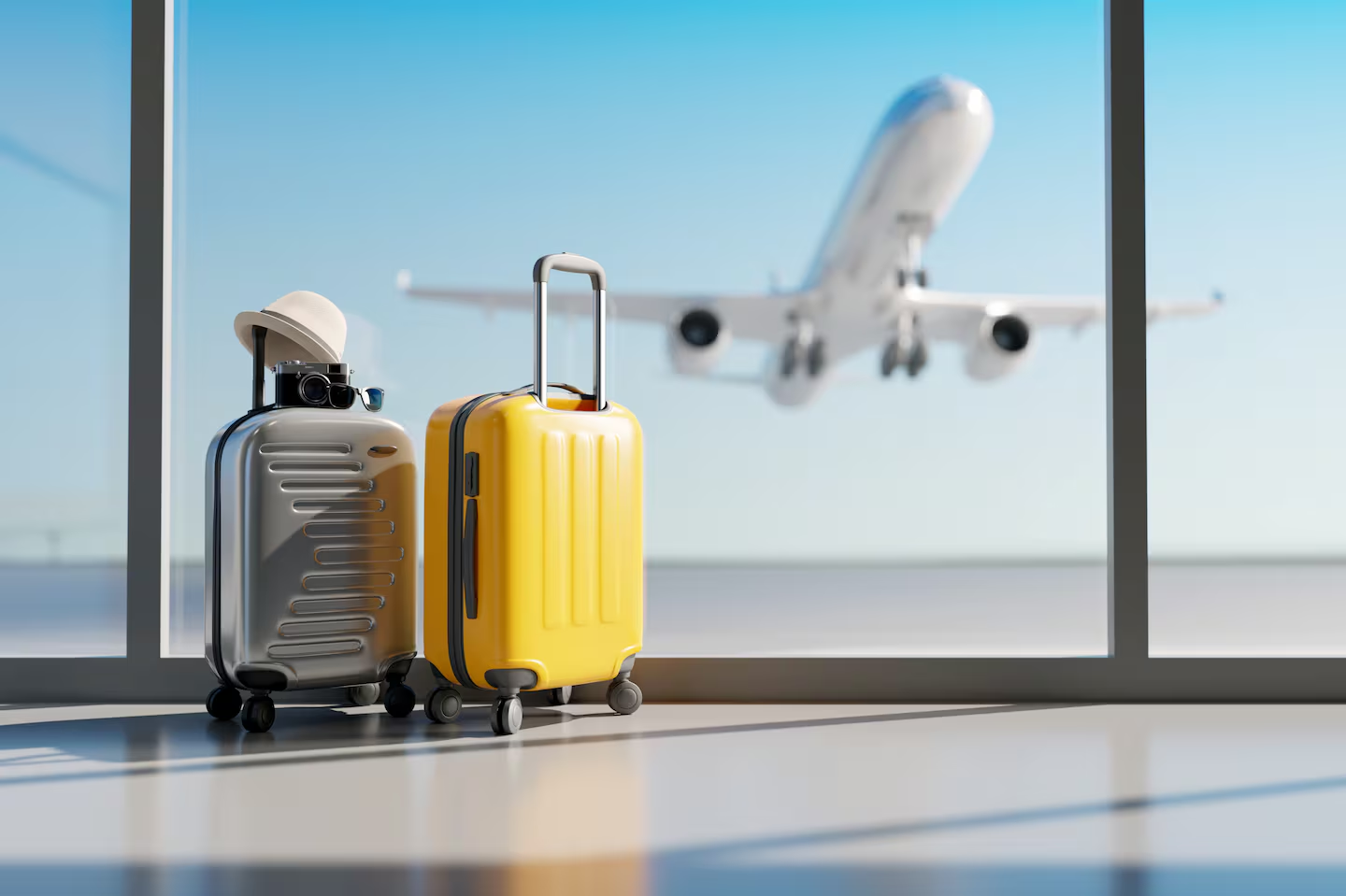
    I still remember my first flight like it was yesterday. I was eight, clutching my mom’s hand as we lifted off from Lahore’s old airport, heading to Karachi for a family wedding. The roar of the engines, the sudden weightlessness—it felt like pure magic. But fast-forward a few decades, and that magic is evolving into something smarter, greener, and honestly, a bit mind-blowing. Today, with climate concerns looming and tech advancing faster than a supersonic jet, the future of air travel isn’t just about getting from A to B. It’s about doing it sustainably, comfortably, and with a dash of sci-fi flair. In this deep dive, we’ll explore how aviation is set to transform by 2030 and beyond, drawing from industry insights and real-world shifts.

    The Push for Sustainability in Aviation

    Picture this: skies filled with planes that sip fuel like a dieter drinks green tea, leaving barely a whisper of emissions behind. Sustainability isn’t a buzzword anymore—it’s the lifeline for an industry responsible for about 2.5% of global CO2 output. Airlines and manufacturers are racing to net-zero by 2050, blending innovation with urgency to keep us flying without frying the planet.

    Electric and Hybrid Propulsion

    Electric planes might sound like something from a cartoon, but they’re taxiing toward reality for short-haul trips. Think regional hops under 500 miles, where batteries replace noisy jets, cutting noise pollution and costs. Hybrid models, mixing electric with traditional fuels, handle takeoff bursts efficiently, paving the way for quieter airports and fresher air.

    Hydrogen-Powered Flights

    Hydrogen is the dark horse here—clean-burning and powerful for longer routes. Airbus is already testing prototypes, envisioning zero-emission flights where water vapor is the only exhaust. It’s not without hurdles, like bulky storage tanks, but imagine crossing oceans guilt-free. Experts predict commercial hydrogen jets by the mid-2030s, revolutionizing transatlantic travel.

    Sustainable Aviation Fuels (SAF)

    Made from waste oils or even captured CO2, SAF can slash emissions by up to 80% without tweaking existing engines. It’s like swapping regular gas for premium in your car—but for jumbo jets. Adoption is ramping up, with airlines like Delta committing billions, though supply chains need scaling to make it affordable for everyday flyers.

    Technological Innovations Reshaping Flights

    Remember fumbling with boarding passes and endless queues? Those days are fading faster than a bad in-flight movie. Tech is stepping in to make air travel smoother, from AI brains optimizing routes to drones zipping you across cities. It’s not just convenience; it’s about safety and efficiency in a post-pandemic world.

    AI and Automation in Operations

    AI is the co-pilot airlines always wanted—predicting maintenance issues before they ground planes, or rerouting flights around storms to save fuel. At airports, robots handle baggage, while algorithms personalize your journey, suggesting upgrades based on past trips. It’s efficient, but let’s hope it doesn’t start judging our snack choices.

    Biometrics and Contactless Technologies

    Facial scans at check-in? Already happening in places like Dubai. By 2030, expect seamless borders with digital health passports verifying vaccines or tests on the fly. It’s faster, touch-free, and oddly futuristic—like stepping into a spy thriller without the drama.

    Advanced Air Mobility: eVTOL and Urban Air Taxis

    Urban air mobility is the game-changer for city dwellers. Electric vertical takeoff and landing (eVTOL) vehicles, like flying Ubers, could shuttle you from Lahore to Islamabad in under an hour, bypassing traffic jams. Companies like Joby are testing prototypes, promising quieter, greener commutes by the late 2020s.

    Here’s a quick comparison of traditional vs. future propulsion tech:

    AspectTraditional Jet EnginesElectric/Hybrid PropulsionHydrogen-Powered
    EmissionsHigh CO2 and noiseLow to zero emissionsWater vapor only
    RangeLong-haul capableShort to medium rangesMedium to long
    Cost EfficiencyFuel-dependentLower operating costsHigh initial setup
    TimelineCurrent standardCommercial by 2030Mid-2030s rollout

    Revolutionizing the Passenger Experience

    Gone are the sardine-can seats and stale pretzels. Future flights aim to feel like a spa day at 30,000 feet, with personalization turning economy into something almost luxurious. I once endured a 14-hour red-eye feeling like a pretzel myself—thank goodness for the upgrades ahead.

    Personalized Cabins and Entertainment

    Imagine seats that adjust to your body, mood lighting fighting jet lag, and VR headsets whisking you to virtual beaches mid-flight. AI will curate playlists or meals based on your profile, making long hauls feel shorter. It’s about turning travel time into “me time.”

    Premiumization and Airport Lounges

    Business class is getting a glow-up, with 50% of some planes dedicated to premium seats boasting lie-flat beds and privacy pods. Lounges are democratizing too—expect more access for all, with wellness zones and natural light to ease pre-flight jitters.

    Health and Wellness Focus

    Post-COVID, health is king. Enhanced air filtration, touchless everything, and even onboard clinics for vaccines could become norm. It’s reassuring—after all, who wants a souvenir cold from their vacation?

    Pros of Enhanced Passenger Tech:

    • Faster boarding and security.
    • Customized comfort reduces stress.
    • Better health protocols build trust.

    Cons:

    • Privacy concerns with data collection.
    • Higher costs for premium features.
    • Tech glitches could cause delays.

    Future Aircraft Designs and Speed

    Aircraft aren’t just getting greener; they’re getting weirder—in the best way. Designers are ditching the tube-with-wings look for shapes that slice through air like butter. It’s exciting, though I chuckle imagining my grandma’s reaction to a “flying wing.”

    Blended Wing Bodies

    These futuristic planes merge body and wings for 20% better fuel efficiency and more cabin space. NASA and Boeing are prototyping, promising quieter rides and room for gyms or lounges aloft. By 2040, they could be commonplace.

    The Supersonic Comeback

    Supersonic jets like Boom’s Overture aim to halve flight times—London to New York in three hours? Yes, please. But noise and fuel woes persist, so expect hybrid versions balancing speed with sustainability.

    Morphing Wings and Noise Reduction

    Wings that flex like bird feathers? Smart materials will adjust in real-time for optimal lift, cutting drag. Paired with sound-absorbing tech, airports in cities could expand without neighbor complaints.

    Challenges and Solutions in the Skies Ahead

    Not all smooth sailing—or flying. The road to futuristic air travel has potholes, from outdated airports to skyrocketing costs. But solutions are emerging, turning obstacles into opportunities.

    Upgrading Infrastructure

    Airports need revamps for electric charging and eVTOL pads. Places like LAX are leading, but global coordination is key to avoid bottlenecks.

    Regulatory and Safety Hurdles

    New tech means new rules. FAA and international bodies must certify everything from autonomous drones to hydrogen tanks. It’s slow, but essential for trust.

    Economic Implications

    Will flying become pricier? Possibly, as green tech adds upfront costs. Yet, efficiency gains could lower tickets long-term. For now, budget travelers might stick to trains for short trips.

    • Ways to navigate future challenges: Opt for airlines with strong sustainability pledges, like those using SAF.
    • Use apps for real-time updates on green routes.
    • Consider carbon offsets for guilt-free trips.

    People Also Ask

    Drawing from common Google queries, here’s what folks are curious about.

    What Will Air Travel Look Like in 2030?

    By 2030, expect biometric everything, electric short-hauls, and AI-optimized flights. Sustainability will dominate, with SAF commonplace and eVTOL taxis zipping urbanites around. It’ll be faster, greener, but perhaps pricier for long distances.

    How Is Technology Changing Aviation?

    From predictive AI maintenance to VR entertainment, tech is making flights safer and more enjoyable. Biometrics speed processes, while autonomous systems handle logistics, freeing humans for the fun stuff.

    Is Supersonic Travel Making a Comeback?

    Yes, with companies like Boom Supersonic eyeing 2030 launches. It’ll cut times drastically, but eco-friendly versions are crucial to avoid past pitfalls like the Concorde’s noise issues.

    What Are the Biggest Challenges for Future Air Travel?

    Climate goals clash with growing demand—passengers could triple by 2050. Infrastructure lags, and costs for new tech might widen access gaps, but innovation promises balance.

    Where to Get the Latest on Aviation Innovations

    For navigational vibes, head to sites like Flightradar24 for real-time tracking or IATA’s resources for industry updates. Locally in Pakistan, check Pakistan Civil Aviation Authority’s portal for regional developments.

    Best Tools for Planning Future-Proof Trips

    Transactionally speaking, apps like Hopper predict fares with AI, while Kayak integrates carbon calculators. For green choices, try Google Flights’ emissions filter—it’s like shopping for eco-friendly sneakers, but for skies.

    FAQ

    Will Air Travel Become More Affordable in the Future?

    It depends—short-term costs might rise with green tech, but long-term efficiencies could drop prices. Electric flights promise lower ops costs, potentially making regional trips cheaper.

    How Will Climate Change Affect Flying?

    More turbulence from warming air, plus stricter emissions rules. Airlines are adapting with resilient designs and alternative fuels to keep routes open.

    What Role Will AI Play in Air Travel?

    Huge—from route optimization saving fuel to personalized services. It’ll predict delays, enhance safety, and even chat with you via virtual assistants.

    Are Flying Cars Really Happening?

    Sort of—eVTOLs are the closest, targeted for urban use by 2028. Not personal jets, but on-demand air taxis could redefine commutes.

    How Can I Prepare for Sustainable Travel Now?

    Start small: Choose direct flights, pack light, and support airlines with net-zero goals. Apps like Atmosfair help offset your carbon footprint today.

    As I wrap this up, thinking back to that childhood flight, I’m optimistic. The future of air travel blends nostalgia with progress—faster, cleaner, and more inclusive. Whether you’re jetting for business or pleasure, the skies are calling, and they’re sounding better than ever. For more on travel tips, check our sustainable travel guide.

  • 10 Things to Pack: A First-Timer’s Traveling Abroad Checklist

    10 Things to Pack: A First-Timer’s Traveling Abroad Checklist

    Remember that time I stood in the middle of London’s Heathrow Airport, jet-lagged and fumbling through my bag for a power adapter that didn’t exist? It was my first trip abroad, a whirlwind adventure to Europe that I’d dreamed about for years. But instead of soaking in the excitement, I spent my first hour hunting for a converter in a duty-free shop, paying way too much for something I could have grabbed at home. That mishap taught me the hard way: packing for international travel isn’t just about throwing clothes in a suitcase—it’s about anticipating the little curveballs that turn a dream vacation into a comedy of errors. If you’re a first-timer gearing up for that big leap overseas, this checklist is your lifeline. We’ll dive into the must-haves, share real stories from my travels (and a few embarrassing blunders), and arm you with tips to make your journey smooth, stress-free, and unforgettable.

    Why a Packing Checklist Matters for First-Time Travelers Abroad

    Picture this: you’re finally on that long-awaited flight, but halfway across the ocean, you realize you’ve forgotten your prescription meds or the right plug for your phone charger. A simple checklist prevents these heart-sinking moments by forcing you to think ahead, covering everything from legal docs to everyday essentials. It’s not about overplanning—it’s about freeing up mental space so you can focus on the magic of new places, like wandering cobblestone streets or tasting street food without a care. From my own rookie mistakes, I’ve learned that skipping this step often leads to extra costs and lost time, turning what should be an adventure into a scramble.

    Essential Documents: The Non-Negotiables for Crossing Borders

    No matter how light you pack, documents are the gatekeepers to your trip—forget them, and you’re grounded before takeoff. Start with your passport, ensuring it’s valid for at least six months beyond your return date, as many countries enforce this rule strictly. Make photocopies or digital scans stored in a secure app like Google Drive, and leave a set with a trusted friend back home. Visas, if required, should be applied for well in advance; sites like the U.S. State Department’s travel portal can guide you on specifics for your destination.

    Passport and Visa Basics

    Your passport isn’t just ID—it’s your ticket to the world, so treat it like gold. For first-timers, double-check entry requirements; for example, Schengen countries in Europe might need proof of onward travel. I once nearly missed a flight to Italy because I overlooked a visa stamp—lesson learned: use tools like VisaHQ.com for quick checks.

    Travel Insurance and Health Records

    Don’t skimp here; travel insurance covers everything from lost luggage to medical emergencies abroad. Print your policy details and keep them handy. If you’re vaccinated or have health conditions, carry records—COVID-era rules showed us how vital this is.

    Universal Power Adapter: Staying Charged in a Foreign Land

    Imagine landing in Paris, eager to snap Eiffel Tower pics, only to find your U.S. plug doesn’t fit French outlets. A universal adapter is a lifesaver, compatible with types A through O worldwide. Opt for one with USB ports to charge multiple devices at once, like the Epicka model available on Amazon. It’s small, packs easily, and prevents the frustration of dead batteries during key moments.

    Choosing the Right Adapter

    Not all adapters are equal—some handle voltage conversion, crucial for devices like hair dryers. For most phones and laptops, a simple plug adapter suffices, but check your gadgets’ specs to avoid frying them.

    Pros and Cons of Built-in vs. Separate Chargers

    Built-in USB adapters are convenient but bulkier; separate ones offer flexibility. Pros of built-in: fewer items to lose. Cons: if it breaks, you’re out multiple ports.

    Medications and First-Aid Kit: Health on the Go

    Traveling abroad means potential exposure to new bugs or water that doesn’t agree with you—I’ve been there, sidelined by a stomach bug in Thailand. Pack enough prescription meds for your trip plus extras, in original bottles to clear customs. Add over-the-counter basics like pain relievers, antidiarrheals, and allergy pills. A compact first-aid kit with bandages, antiseptics, and tweezers rounds it out.

    Customizing Your Kit for Destinations

    For tropical spots, include insect repellent and sunscreen; colder climates call for lip balm and moisturizer. Research local pharmacies— in Europe, they’re plentiful, but in remote areas, stock up.

    Table: Common Meds and Their Uses Abroad

    Medication TypeExampleWhy Pack ItAlternatives Abroad
    Pain ReliefIbuprofenHeadaches from jet lagWidely available, but brands vary
    Stomach AidImodiumFood-related issuesLocal equivalents like Lomotil
    AllergyBenadrylUnexpected reactionsPharmacies in most cities
    Motion SicknessDramamineLong flights or trainsGinger chews as natural option

    Comfortable Clothing and Footwear: Layering for Unpredictable Weather

    My first abroad trip to the UK involved packing summer dresses for “mild” weather—cue nonstop rain and chilly winds. Go for versatile layers: breathable tees, light jackets, and scarves that double as blankets. Comfortable walking shoes are key; break them in before leaving to avoid blisters on those sightseeing marathons.

    Packing for Seasons and Cultures

    Research averages—apps like AccuWeather help. Respect local norms: modest attire for temples in Asia or covered shoulders in the Middle East.

    Pros and Cons of Synthetic vs. Natural Fabrics

    Synthetics dry fast and wrinkle less—pros for humid spots. Cons: less breathable. Naturals like cotton feel comfy but pack bulkier.

    Travel Insurance Proof: Peace of Mind in Print

    I skipped insurance on a short jaunt to Mexico once, then twisted my ankle hiking—bills piled up fast. Always carry proof of coverage, including emergency contacts. Policies from providers like Allianz cover cancellations, medical, and theft.

    Where to Get Reliable Coverage

    Compare on sites like InsureMyTrip.com. For first-timers, opt for comprehensive plans starting at $50 for a week.

    Currency and Payment Methods: Managing Money Overseas

    Arriving in Japan with only dollars led to a frantic ATM hunt—now I always exchange a small amount beforehand. Carry local currency for tips and small vendors; use no-fee cards like Chase Sapphire for bigger spends.

    Best Tools for Currency Exchange

    Apps like XE Currency Converter track rates. ATMs abroad often give better deals than airports.

    Comparison: Cash vs. Cards Abroad

    Cash is king for markets; cards offer security and rewards. Use a mix to balance convenience and safety.

    Toiletries and Personal Care: TSA-Compliant Essentials

    Overpacking liquids got my bag searched in Amsterdam—stick to 3-1-1 rule: 3.4 oz max per item in a quart bag. Pack travel-sized shampoo, toothpaste, and deodorant; buy more if needed.

    Eco-Friendly Options

    Reusable silicone bottles reduce waste—great for eco-conscious travelers.

    Electronics and Gadgets: Staying Connected

    From my lost phone in Spain (thank goodness for backups), I’ve learned to pack a portable charger, noise-canceling headphones, and a waterproof case. Download offline maps via Google Maps.

    Must-Have Apps for Travelers

    TripIt organizes itineraries; Duolingo for basic phrases.

    Luggage and Packing Organizers: Efficient Space Use

    Invest in lightweight, wheeled luggage under 50 lbs to dodge fees. Packing cubes changed my game—compress clothes and keep things sorted.

    Pros and Cons of Carry-On Only

    Pros: No lost bags. Cons: Limited space for souvenirs.

    Bullet Points: Packing Cube Benefits

    • Maximize space by compressing items.
    • Easy access to categories like “underwear” or “tops.”
    • Reduce wrinkles with rolled packing.
    • Color-code for family trips.

    Miscellaneous Must-Haves: The Extras That Save the Day

    Don’t forget a reusable water bottle (fill post-security), snacks for delays, and a journal for memories. A compact umbrella or poncho handles surprise showers.

    Light Humor: My “Forgotten” Souvenir Story

    I once packed an empty spot for souvenirs, only to fill it with regret—buy local treats instead!

    Common Packing Mistakes First-Timers Make (and How to Avoid Them)

    Overpacking is the big one—I lugged a heavy suitcase through Rome’s uneven streets, vowing never again. Start with a list, lay everything out, then cut half. New shoes? Break them in or leave them—blisters ruin walks. Ignoring weight limits? Weigh your bag at home.

    Table: Mistakes vs. Fixes

    MistakeFixReal Example
    OverpackingUse 1-2-3 rule: 1 hat, 2 shoes, 3 bottomsMy Europe trip: Packed 5 pairs of shoes, used 2
    Forgetting adaptersResearch plugs via WorldStandards.euDead phone in Australia
    No backupsScan docs to cloudLost wallet in France, but had copies

    People Also Ask: Real Questions from Google on Packing Abroad

    Drawing from actual Google searches, here are common queries first-timers have.

    What Items Should I Pack When Traveling Abroad for the First Time?

    Focus on documents, adapters, meds, and versatile clothes. Tailor to destination—beach gear for tropics, layers for Europe.

    What to Pack for International Travel in 2026?

    With tech advancing, include a multi-port charger and health apps. Sustainable items like bamboo toothbrushes are trending.

    How Do I Avoid Overpacking for My First Overseas Trip?

    Lay out outfits per day, mix-and-match. Leave space for flexibility.

    What’s the Best Way to Organize Luggage for Abroad Travel?

    Packing cubes and folders keep chaos at bay—roll clothes to save space.

    Are There Any Hidden Essentials for First-Time International Travelers?

    A portable door lock for safety and translation earbuds for language barriers.

    Informational: What Is a Universal Travel Adapter?

    A universal travel adapter allows your plugs to fit foreign outlets, preventing charging woes. It’s not a converter—those change voltage for high-power items.

    Navigational: Where to Get Travel Insurance for Abroad Trips?

    Head to comparison sites like Squaremouth.com or direct from providers like World Nomads for tailored plans.

    Transactional: Best Tools for Packing Efficiently

    For organizers, try eBags packing cubes on Amazon. For scales, a digital luggage scale ensures no overweight fees.

    FAQ: Answering Your Burning Questions

    What If I Forget My Passport at Home?

    Contact your airline immediately—most won’t let you board. Expedited services exist, but plan ahead.

    How Much Cash Should I Carry Abroad?

    $100-200 in local currency for emergencies; rely on cards for the rest to minimize loss risk.

    Can I Pack Food for International Flights?

    Non-perishables like nuts are fine, but check customs—fruits often get confiscated.

    What’s the Ideal Luggage Size for Abroad Travel?

    22x14x9 inches for carry-on to fit most airlines; check specifics via Kayak.

    How to Handle Medications Through Customs?

    Keep in original packaging with prescriptions; declare if needed.

    In wrapping up, remember my Heathrow fiasco? It sparked a love for smart packing that’s taken me to 20+ countries without major hitches. This checklist isn’t exhaustive—adapt it to your style and spot—but it’s a solid start for turning first-time jitters into lifelong wanderlust. Safe travels; may your adventures be epic and your bags light.

  • Global Travel Spend to Leap in 2026

    Global Travel Spend to Leap in 2026

    Remember that trip I took right after the world started opening up again? It was nothing fancy—just a road trip to the mountains with a couple of friends. But man, after months of staring at the same four walls, hitting the open road felt like pure freedom. We laughed about how we’d forgotten what fresh air smelled like outside our backyards. Fast forward to now, and it seems like everyone’s catching that same bug. The travel industry is buzzing with energy, and if the forecasts hold true, 2026 is shaping up to be a blockbuster year. We’re talking about global travel spending that’s not just recovering—it’s leaping ahead, driven by pent-up demand, smarter tech, and a world that’s more connected than ever. But what’s behind this surge? Let’s dive in, drawing from the latest reports and my own wanderlust-fueled insights, to unpack why your passport might get a serious workout this year.

    The Projected Leap in Global Travel Spending

    Picture this: in 2025, the travel and tourism sector pumped a whopping $11.7 trillion into the global economy, making up about 10.3% of world GDP. That’s already impressive, but experts are calling for even bigger numbers in 2026. International visitor spending alone is expected to hit around $2.1 trillion, finally topping pre-pandemic highs. Organizations like the World Travel & Tourism Council (WTTC) and the International Air Transport Association (IATA) paint a picture of steady growth, with air passenger numbers climbing to 5.2 billion—up 4.4% from the previous year. It’s like the world collectively decided it’s time to make up for lost adventures.

    This leap isn’t just about more people flying; it’s about smarter, more intentional spending. From business trips sealing deals to families chasing bucket-list experiences, the dollars are flowing. But hold on—economic headwinds like inflation and geopolitical tensions could temper things a bit, as noted in Deloitte’s outlook. Still, the overall vibe? Optimistic.

    Breaking Down the Numbers

    Let’s get granular. Global business travel spending is forecasted to reach about $1.69 trillion in 2026, according to the Global Business Travel Association (GBTA). That’s a solid bump from 2025, with 84% of buyers expecting their companies’ budgets to hold steady or grow. On the leisure side, Phocuswright pegs the total global travel market at $1.67 trillion, with projections pointing upward thanks to resilient demand. It’s fascinating how these figures reflect a shift—people aren’t just traveling; they’re investing in experiences that stick.

    Regional Variations in Growth

    Not every corner of the globe is leaping at the same pace. Asia-Pacific is leading the charge, with countries like India expecting 12% year-over-year growth in air travel demand. Europe forecasts a 6.2% rise in arrivals, fueled by long-haul trips surging 9%. Meanwhile, the U.S. might see a more modest 3.9% increase in international inbound travel, boosted by events like the FIFA World Cup. It’s like a global relay race, with each region passing the baton.

    Key Drivers Fueling the Spend Surge

    What’s pushing this leap? For starters, the post-pandemic mindset shift. I recall chatting with a fellow traveler on a flight last year who said, “Life’s too short not to see the world.” That sentiment echoes in the data—76% of travelers are planning milestone trips in 2026, per AAA surveys. Add in falling airfares (down 10% internationally) and it’s no wonder budgets are stretching further.

    Technology plays a huge role too. AI is making planning a breeze, from personalized itineraries to dynamic pricing. And sustainability? It’s not just buzz—travelers are willing to pay more for eco-friendly options, driving spend in green destinations.

    The Rise of Generational Travelers

    Gen Z and millennials are the new power players, dominating U.S. travel demand with higher trip frequencies and budgets. They’re value-driven but still splurging—think luxury train hops or ancestry quests. Boomers might be more cautious, but even they’re jumping in for those “whycations” focused on purpose.

    It’s funny how my millennial friends plan trips around Instagram-worthy spots, while I lean toward quiet hikes. But hey, variety keeps the industry thriving.

    Economic Factors at Play

    A stable global economy helps, with GDP growth aligning with travel expansion. Yet, affordability woes persist—68% of Americans plan to spend more, averaging $6,354 per person, but cost is the top concern. Trade-offs like shorter stays or domestic swaps are common, balancing the leap.

    Business Travel: The Corporate Comeback

    Business travel is roaring back, with budgets up 5% globally. European companies lead at 5.8%, while U.S. firms eye 4.9%. It’s not just meetings—bleisure (blending business and leisure) is huge, extending trips for fun.

    I once tacked a weekend onto a work conference in Europe; it turned a grind into a highlight. Expect more of that in 2026.

    Pros and Cons of Increased Business Spend

    Pros:

    • Boosts economies through conferences and events.
    • Fosters innovation via face-to-face networking.
    • Supports airline and hotel revenues.

    Cons:

    • Higher costs for companies amid inflation.
    • Environmental impact from frequent flights.
    • Potential burnout for travelers.

    Comparison: Business vs. Leisure Spend

    CategoryBusiness Spend ForecastLeisure Spend Forecast
    Growth Rate5% global4-6% global
    Key DriversCorporate budgets, eventsPersonal milestones, affordability
    ChallengesPolicy uncertaintyEconomic pressures

    Business edges out in stability, but leisure wins on volume.

    Leisure Travel Trends Shaping 2026

    Leisure is where the heart is—and the wallet. Trends like “microvacations” (quick, far-flung trips) and dry tourism (alcohol-free) are rising. Ancestry travel? Big, with folks tracing roots to places like Ireland or Africa.

    Wellness through community is another gem—think group hikes or cultural immersions. It’s emotional, connecting us in ways solo scrolling can’t.

    Top Destinations to Watch

    From Booking.com’s list: Philadelphia for history, Munster in Germany for charm, and Guangzhou in China for buzz. Emerging spots like Kochi, India, offer cultural depth without crowds.

    Non-viral destinations are hot—places off the beaten path for authentic vibes.

    Navigational Tips: Where to Get the Best Deals

    Head to sites like Kayak or Expedia for fare alerts. For bookings, Booking.com excels in variety. Apps like Hopper predict price drops—handy for that leap-year budget.

    Challenges and Risks to the Leap

    Not all smooth sailing. Uncertainty from geopolitics and policy changes could dampen U.S. inbound travel. Plus, affordability: 43% of international travelers cite rising costs as a hurdle.

    Humor me—remember when a coffee cost as much as a flight? Exaggerated, but prices are volatile.

    Pros and Cons of the Spending Surge

    Pros:

    • Economic boost for host countries.
    • Job creation in tourism.
    • Cultural exchange.

    Cons:

    • Overtourism strains resources.
    • Carbon footprint grows.
    • Inequality in access.

    People Also Ask

    Based on common Google queries, here are real questions buzzing around global travel spend in 2026.

    What is the projected global travel spending for 2026?

    Forecasts vary, but expect around $12-13 trillion total contribution to GDP, with international spending over $2 trillion. Business alone hits $1.69 trillion.

    Why is travel spending expected to leap in 2026?

    Resilient demand, lower fares, and events like the World Cup drive it. Plus, generational shifts and AI ease planning.

    What are the top travel trends for 2026?

    Luxury trains, ancestry trips, sustainability, and AI personalization top the list.

    How does 2026 compare to pre-pandemic levels?

    Many metrics surpass 2019, like air passengers and spending, but unevenly—Asia leads recovery.

    Transactional Insights: Best Tools for Planning

    For bookings, try TripAdvisor for reviews or Google Flights for comparisons. Budget trackers like Mint help manage spend. Apps such as Duolingo prep you for cultural dives—practical and fun.

    FAQ

    Will travel costs rise in 2026?

    Airfares may dip, but hotels could fluctuate. Overall, expect modest increases due to demand.

    What’s the impact of AI on travel spending?

    It personalizes deals, potentially saving money while encouraging more trips— a double-edged sword.

    How can I make my 2026 travel sustainable?

    Choose eco-hotels via sites like Green Key, offset carbon with tools from MyClimate, and support local economies.

    Is business travel fully recovered?

    Nearly—spending nears pre-pandemic, but with bleisure twists.

    What regions will see the biggest spend leap?

    Asia-Pacific, especially India and China, followed by Europe.

    In wrapping up, this leap in global travel spend for 2026 feels like a collective exhale after tough years. From my own escapades to the data-driven forecasts, it’s clear: travel isn’t just bouncing back; it’s evolving. Whether you’re chasing sunsets in Cape Verde or sealing deals in Munich, the world awaits. Just pack light, stay curious, and maybe throw in a dash of spontaneity—after all, the best stories come from the unexpected turns.

  • Asia Pacific Snapshot: Weekly Travel Recovery Dashboard

    Asia Pacific Snapshot: Weekly Travel Recovery Dashboard

    Imagine this: It’s early 2026, and I’m sitting in my cozy Lahore apartment, scrolling through flight deals to Bangkok. After years of canceled plans and Zoom vacations, the itch to explore Asia’s vibrant streets again is real. But with visa rules changing faster than the weather in Punjab, I needed a reliable guide. That’s when I stumbled upon the Asia Pacific Snapshot: Weekly Travel Recovery Dashboard from the Pacific Asia Travel Association (PATA). It felt like finding a hidden map in an old adventure novel—packed with updates that made my trip planning less of a gamble and more of a thrill. This dashboard isn’t just data; it’s a lifeline for wanderers and industry folks alike, charting the region’s bounce-back from the pandemic blues.

    What is the Asia Pacific Snapshot: Weekly Travel Recovery Dashboard?

    Launched back in 2022 amid the chaos of border closures, this weekly gem from PATA pulls together the latest on travel policies, health stats, and visitor trends across 48 destinations in Asia Pacific and beyond. It’s like having a personal travel whisperer in your inbox, summarizing shifts in visa rules, arrival numbers, and even quirky events like Pokemon theme parks opening in Tokyo. What started as a recovery tool has evolved into an essential resource, helping millions navigate the post-COVID travel maze with clarity and confidence.

    The Evolution of Travel Recovery in Asia Pacific

    Remember when Asia Pacific was the last region to shake off pandemic restrictions? By 2023, we were at just 66% of pre-2019 arrivals, trailing behind Europe and the Americas. Fast forward to 2026, and the story flips— we’re leading global growth with an 11% year-over-year spike in January alone, driven by intra-regional jaunts and easing visas. It’s a tale of resilience, from Thailand’s bustling beaches to Vietnam’s record-breaking January hauls, proving that when Asia rebounds, it does so with fireworks.

    From Pandemic Pause to Growth Surge

    The shift began in earnest around 2024, when countries like Singapore and Malaysia ditched quarantine mandates. By 2025, arrivals hit 92% of 2019 levels, fueled by revenge travel and digital nomads. Now in 2026, we’re eyeing 710 million visitors—104% above pre-pandemic—thanks to smarter policies and a hunger for authentic experiences. It’s not just numbers; it’s families reuniting and economies humming again.

    Challenges Along the Way

    Of course, it wasn’t all smooth sailing. Geopolitical tensions and climate disruptions threw curveballs, like flight cancellations during monsoon madness. Yet, the region’s adaptability shines through, with airlines ramping up routes and hotels hitting 80% occupancy during festivals. Think of it as a marathon where Asia Pacific tripped but sprinted to the lead.

    Key Updates from the Latest Snapshot

    Diving into the most recent dashboard from early March 2026, the vibes are optimistic. Visa exemptions are popping up like street food stalls in Seoul, with China extending free entry to 46 countries until year’s end. Visitor surges are everywhere—Sri Lanka smashed records with 277,000 arrivals in January—while forecasts predict a multi-billion-dollar boom from intra-regional corridors. It’s a snapshot of momentum, blending policy tweaks with real-world wins.

    Visa and Policy Shifts

    China’s unilateral visa-free policy for nations like Sweden is a game-changer, sparking a 44% jump in Beijing’s foreign arrivals. Meanwhile, Thailand’s 60-day exemptions for 93 countries have Bangkok topping booking lists. These moves aren’t random; they’re strategic bids to lure back tourists weary of paperwork.

    Health and Safety Status

    COVID-19? Mostly ancient history here. Restrictions are lifted across the board, with only niche requirements like polio proofs for high-risk areas in Chinese Taipei. The focus has shifted to sustainable travel, ensuring recoveries don’t come at the planet’s expense—think eco-friendly hikes in Nepal’s Annapurna.

    Emerging Trends in Visitor Numbers

    January 2026 saw Vietnam welcome 2.5 million visitors, a record, while the Maldives notched an 8% uptick. Intra-Asian searches dominate, with 70% of pre-Lunar New Year queries staying regional. It’s heartwarming to see neighbors rediscovering each other, boosting local jobs and cultures.

    Country-Specific Recovery Trends

    Zooming in on hotspots, each nation tells its own recovery story. From Bhutan’s surpassing pre-pandemic levels to Indonesia’s ban on elephant rides signaling ethical shifts, the dashboard highlights diverse paths. I’ve used it to plan my own hops—avoiding crowds in overbooked spots while chasing hidden gems.

    Northeast Asia: Powerhouses Leading the Charge

    Japan and South Korea are stars, with Tokyo’s new Pokemon park drawing families and Seoul targeting 30 million tourists by 2028. China’s cross-border trips hit 6.61 million during New Year, a emotional reminder of reopened family ties. Recoveries here hover at 85-90% of 2019, with visa waivers accelerating the pace.

    Southeast Asia: Vibrant and Versatile

    Thailand expects over 4 million for Chinese New Year, while Vietnam’s online travel market is set to double to $8 billion by 2030. The Philippines’ airports buzzed with nearly 5 million passengers in January—I’ve got fond memories of island-hopping there pre-pandemic, and it’s thrilling to see the revival.

    South Asia: Steady Climb with Cultural Appeal

    India’s e-Tourist Visa now covers 166 countries, doubling arrivals in places like Odisha. Sri Lanka’s 180-day visa extensions cater to long-stay seekers, blending adventure with affordability. Nepal’s record trekkers in Annapurna evoke that sense of wonder, drawing eco-conscious explorers.

    Pacific Islands: Niche and Natural

    Fiji and Palau shine with record arrivals and direct flights from Japan. Australia’s ad spending jumped 12%, promoting outback escapes. These spots offer serene recoveries, away from mainland hustle, perfect for those craving unspoiled beaches.

    Factors Influencing Travel Recovery

    What fuels this surge? It’s a mix of eased borders, economic rebounds, and a dash of wanderlust. But let’s not ignore hurdles like currency fluctuations or geopolitical jitters— they add that unpredictable spice to travel tales.

    Economic Drivers and Intra-Regional Travel

    Intra-Asia corridors are the secret sauce, projected to add $300 billion in spending by 2028. Cheaper flights and cultural proximity make short hops irresistible—think Singaporeans jetting to Malaysia for weekends. It’s efficient, sustainable, and keeps money circulating locally.

    Technological and Sustainability Shifts

    Apps for e-visas and contactless check-ins streamline trips, while bans on unethical attractions like elephant rides in Indonesia appeal to conscious travelers. Bleisure trends—76% of business folk extending work trips for fun—blend productivity with pleasure, a win for hybrid workers like me.

    Potential Roadblocks and Risks

    Geopolitics loom, as seen in flight dips during tensions. Climate events disrupt, but resilient infrastructure helps. The dashboard flags these, helping users dodge pitfalls—humorously, it’s like having a weather app for global drama.

    Comparison: Asia Pacific vs. Global Recovery

    How does Asia stack up? While Europe hit full recovery in 2024, Asia’s at 85% but growing fastest at 11% YoY. The Americas lag at 97%, hampered by higher costs. Asia’s edge? Affordable adventures and diverse offerings, from Himalayan treks to urban escapades.

    RegionRecovery Level (2026)Growth Rate YoYKey Strength
    Asia Pacific104% of 201911%Intra-regional demand
    Europe110% of 20195%Cultural heritage
    Americas97% of 20193%Natural wonders
    Middle East115% of 20198%Luxury tourism

    This table underscores Asia’s momentum—numbers from UN Tourism paint a picture of a region not just recovering, but reinventing itself.

    Pros and Cons of Relying on the Dashboard

    Pros:

    • Timely updates keep you ahead of policy flips.
    • Free subscription fosters community insights.
    • Comprehensive coverage spans 48 spots, saving research time.

    Cons:

    • Overwhelm from dense data if you’re a casual browser.
    • Relies on self-reported stats, so cross-check for accuracy.
    • No personalized advice—still need to consult officials.

    Overall, the pros outweigh, especially for pros like tour operators eyeing trends.

    Forecasts and Future Outlook

    Peering ahead, PATA’s outlook is sunny: 765 million arrivals by 2028, 11.5% above 2019. Under baseline scenarios, growth steadies at 5-7% annually, with upside from AI-driven bookings and downside from uncertainties. It’s exciting—imagine 2028’s festivals drawing record crowds, or sustainable initiatives like Vietnam’s national tourism year.

    Optimistic Scenarios

    In best-case worlds, visa harmonization like the GCC model could boost 15% more inflows. Events like Thailand’s MotoGP or Sri Lanka’s IronMan add adrenaline, projecting $160 billion in Saudi tourism alone as a benchmark.

    Cautious Projections

    Worst-case? Geopolitical flares or economic dips could cap at 90% recovery. But Asia’s history of bouncing back—like post-2004 tsunami—instills hope. The dashboard’s interval forecasts capture this uncertainty, guiding smarter decisions.

    Tools and Resources for Travelers and Industry Pros

    Beyond the dashboard, pair it with apps like Agoda for bookings or IATA for flight trends. For transactional needs, best tools include:

    • VisaHQ for e-applications.
    • TripAdvisor for reviews.
    • Google Flights for deals.

    Navigational aids? PATA’s webinars dissect outlooks, while UN Tourism’s global dashboard offers broader context. Informational gems like Pear Anderson’s Southeast Asia report drill deeper—I’ve used them to snag cheap tickets to Cambodia.

    People Also Ask (PAA)

    Is tourism fully recovered in Asia Pacific?

    Not quite everywhere, but overall, yes—2026 projections hit 104% of 2019 levels, with sub-regions like Southeast Asia leading. Uneven spots persist due to local factors, but momentum is strong.

    What are the latest travel restrictions in Asia?

    Most are lifted, but check for visa needs—e.g., Pakistan’s online options for 192 countries. The dashboard flags specifics, like UAE’s overstay fines.

    Which Asian countries are best for recovery travel?

    Thailand, Vietnam, and Maldives top lists for ease and growth. Bhutan exceeds pre-pandemic, offering serene escapes.

    How has COVID impacted long-term travel in Asia?

    It accelerated digital shifts and sustainability, but slowed North-East Asia initially. Now, it’s fostering resilient, eco-focused tourism.

    FAQ

    What makes the Asia Pacific Snapshot Dashboard unique?

    It’s weekly, free, and covers policies to trends, unlike static reports. Subscribing gets emails with bite-sized insights.

    How accurate are the recovery forecasts?

    Based on data from PATA and UN Tourism, they’re reliable but account for uncertainties via scenarios—baseline predicts 765 million by 2028.

    Can I use the dashboard for business planning?

    Absolutely—tour operators track visitor surges, like Macao’s 90% Lunar New Year occupancy, to optimize offerings.

    Are there any costs associated with the dashboard?

    Nope, it’s complimentary from PATA. Just subscribe for updates.

    How does intra-regional travel affect recovery?

    It’s the powerhouse, redefining demand and adding billions—think Chinese tourists flooding Hong Kong for festivals.

    In wrapping up, this dashboard isn’t just stats; it’s a narrative of revival, laced with human stories of reconnection. Whether you’re plotting your next adventure or steering a travel biz, it delivers that powerful user experience—engaging, trustworthy, and downright useful. Dive in, and who knows? Your next trip might just be the best yet.