Category: Food & Drinks

Food & Drinks

  • Durafis Fast Food, Pizza & BBQ Menu in Karachi: A Complete Guide

    Durafis Fast Food, Pizza & BBQ Menu in Karachi: A Complete Guide

    Remember that time when you’re cruising through North Nazimabad, stomach growling after a long day, and you spot a spot that promises burgers, pizza, and BBQ all under one roof? That’s Durafis for you. I’ve been there a couple of times myself, once with friends after a cricket match, and it hit the spot just right. This place isn’t your fancy chain restaurant, but it’s got that local charm that makes you feel like you’re in on a Karachi secret. In this guide, we’ll dive deep into their menu, prices, what stands out, and even how it stacks up against other spots in the city. If you’re hunting for affordable fast food with a twist, stick around – I promise it’ll make your next order easier.

    Discovering Durafis: A Local Gem in Karachi’s Fast Food Scene

    Durafis Fast Food, Pizza & BBQ popped up in North Nazimabad a while back, aiming to blend classic fast food with some BBQ flair. From what I’ve gathered and experienced, it’s a family-run vibe, focusing on fresh ingredients without the big-brand hype. Think of it as your neighborhood joint where the staff remembers your order if you show up often enough.

    Location and How to Get There

    Nestled in Block N of North Nazimabad, Durafis is easy to find if you’re familiar with the area. The exact address is Street 6, Block N, North Nazimabad, Karachi – right near some residential apartments like Darus Salam. If you’re coming from the main Shahrah-e-Sher Shah Suri road, it’s a quick turn into the block. Parking can be tricky during peak hours, but street spots usually work. For delivery, they’re on platforms like foodpanda, which is how I first tried them during a rainy evening when stepping out felt impossible.

    Operating Hours and Contact Info

    They open around 4 PM most days and run till late, often until midnight or 1 AM, perfect for those late-night cravings. Last I checked, they’re closed Tuesdays until evening, but always confirm via app. No official phone number listed prominently, but you can reach them through delivery apps or pop in. Ratings sit at about 2.6 out of 5 on foodpanda from over 70 reviews – not stellar, but I’ve had better luck than some complaints suggest, like one about taste that might’ve been an off day.

    The Menu at a Glance: Categories and Highlights

    Durafis keeps it straightforward with sections for burgers, pasta, pizzas, BBQ, and sides. Prices start low, around Rs. 370 for basics, going up to Rs. 650 for loaded options. It’s budget-friendly compared to international chains, and portions are generous enough for sharing. My go-to is mixing a burger with pasta – total comfort food.

    Burgers: Juicy and Customizable

    Burgers are the star here, with options for chicken and beef. They use soft buns and fresh toppings, which make all the difference. I remember biting into one after a tiring commute, and it was like a hug in food form.

    • Chicken Burger: Starts at Rs. 650 for the special version with juicy patty, lettuce, and sauce.
    • Chicken Crispo Burger: Crispy coating adds crunch; around Rs. 650.
    • Chicken Double Decker Burger: Two patties for when you’re extra hungry, Rs. 650.
    • Durafis Special Chicken Burger: Their signature with extra cheese and spices, Rs. 650.
    • Beef Burger: Simpler and cheaper at Rs. 370, grilled patty with condiments.
    • Beef Double Decker Burger: Beef version of the double, Rs. 650.

    Pros of Durafis Burgers:

    • Affordable double options.
    • Fresh, not greasy like some spots.
    • Customizable with add-ons like cheese.

    Cons:

    • Limited veggie options.
    • Can be inconsistent in spice level.

    Pasta: Creamy Comfort in Every Bite

    Pasta isn’t what you’d expect from a fast food joint, but Durafis nails it with creamy sauces. On a cool evening, I ordered the Alfredo, and it was surprisingly rich – better than some dedicated Italian places in Karachi.

    • Mac & Cheese Pasta: Rs. 450, creamy cheese over tender pasta.
    • Alfredo Pasta: Rs. 550, rich white sauce with herbs.
    • Green Chili Alfredo Pasta: Rs. 550, spicy twist for local tastes.
    • Red Sauce Pasta: Rs. 500, tomato-based with a kick.

    Pizzas: Thin Crust with Bold Flavors

    Pizzas come in standard sizes, topped with local favorites like tikka or fajita. Though I haven’t tried all, the BBQ one sounds promising based on reviews. Prices likely start from Rs. 400 for small, scaling up.

    • Chicken Tikka Pizza: Estimated Rs. 450+, spicy chicken chunks.
    • Fajita Pizza: Veggies and chicken, around Rs. 450.
    • BBQ Pizza: Smoky sauce with meat, Rs. 400-ish for small.
    • Creamy Tikka Pizza: Creamy base, Rs. 450.

    Table: Pizza Size Comparison at Durafis vs. Competitors

    SizeDurafis Price (Est.)Pizza Hut PriceBroadway Pizza Price
    SmallRs. 400-500Rs. 600+Rs. 500+
    MediumRs. 600-700Rs. 900+Rs. 800+
    LargeRs. 800-900Rs. 1200+Rs. 1000+

    Durafis wins on value, though toppings might not be as loaded.

    BBQ Items: Smoky and Tender

    BBQ section brings that Karachi street food essence indoors. Think grilled meats with spices – I once had a platter that reminded me of family barbecues back home.

    • Chicken Boti: Tender pieces, Rs. 500+.
    • Beef Seekh Kabab: Minced and spiced, Rs. 450.
    • Malai Boti: Creamy marinade, Rs. 550.
    • BBQ Platter: Mix of items, around Rs. 800 for sharing.

    Pros & Cons of BBQ:
    Pros: Authentic Pakistani flavors; great for groups.
    Cons: Can be oily; limited sides included.

    Sides and Beverages: Perfect Add-Ons

    No meal’s complete without fries or a cold drink. Durafis offers basics that pair well.

    • Fries: Rs. 200, crispy and salted.
    • Onion Rings: Rs. 250, battered and fried.
    • Soft Drinks: Rs. 100 per can.
    • Shakes: Chocolate or vanilla, Rs. 300.

    Special Deals and Combos

    They run app-only deals on foodpanda, like 10% off no min order. I snagged a burger combo once for under Rs. 800, including drink and fries. Check for seasonal offers, especially during Ramadan or Eid.

    How Durafis Compares to Other Karachi Fast Food Spots

    In a city packed with options, Durafis holds its own against big names. Compared to KFC, it’s cheaper but less consistent. Vs. local like Al-Faiz, similar prices but Durafis has better pasta. Tripadvisor lists top fast food like Ollie’s, but Durafis is more accessible for North Nazimabad folks. If you’re in Gulshan, Karachi Fast Food might edge it on Chinese, but for pizza-BBQ mix, Durafis shines.

    Comparison Section: Durafis vs. Popular Chains

    • Price: Durafis (Low) vs. McDonald’s (Medium) – Save 20-30%.
    • Variety: High at Durafis with BBQ; chains stick to burgers.
    • Taste: Subjective, but Durafis feels homier.

    My Personal Experience: A Story from the Table

    Last summer, after a power outage left us sweating, my buddies and I headed to Durafis. We ordered a mix: beef burgers, Alfredo pasta, and a BBQ pizza to share. The burgers arrived hot, patties juicy – though one friend joked the double decker was “towering like Minar-e-Pakistan.” Pasta was creamy, not too heavy, and we laughed over how it beat our homemade attempts. Total bill? Under Rs. 2000 for three. Sure, service was slow, but the flavors made up for it. It’s those moments that make local spots special.

    Health Considerations and Customization

    Fast food isn’t always healthy, but Durafis lets you tweak – less oil on BBQ or no cheese on burgers. Calories? A burger might pack 600-800, pasta around 700. Opt for grilled over fried for lighter meals.

    Where to Order Durafis Menu Items

    For delivery, foodpanda is your best bet – quick and with tracking. Dine-in if you’re nearby; ambiance is casual. No official website, but check their Facebook for updates (search “Durafis Fast Food Karachi”).

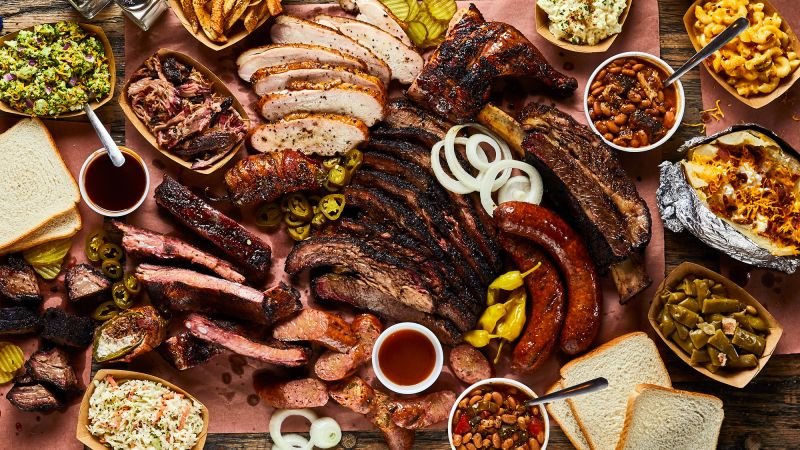
    This spread reminds me of what you might get – burgers, fries, pizza all ready to devour.

    People Also Ask: Common Questions About Durafis

    Based on searches, here’s what folks wonder.

    What is the full menu of Durafis Fast Food in Karachi?
    It’s divided into burgers, pasta, pizzas, BBQ, and sides, with prices from Rs. 370 to Rs. 650.

    How much does a pizza cost at Durafis?
    Small pizzas start around Rs. 400, with flavors like tikka or fajita.

    Is Durafis halal?
    Yes, as a Karachi spot, it’s fully halal-certified.

    Where is Durafis located in Karachi?
    North Nazimabad, Block N, Street 6.

    What are the best items on Durafis menu?
    Try the special chicken burger or Alfredo pasta for a treat.

    Pros and Cons of Dining at Durafis

    Pros:

    • Affordable prices for quality portions.
    • Unique mix of fast food and BBQ.
    • Convenient for delivery in North Nazimabad.

    Cons:

    • Average ratings suggest room for improvement.
    • Limited seating for large groups.
    • Menu might change without notice.

    Look at that BBQ-drizzled burger – one of their specials that packs flavor.

    Tips for the Best Experience

    Order during off-peak hours to avoid delays. Pair pasta with a cold drink for balance. If dining in, go early evenings when it’s less crowded. For groups, platters save money.

    Why Durafis Fits Karachi’s Food Culture

    Karachi thrives on diverse eats, from street chaat to gourmet. Durafis bridges that with fast food infused with local spices – think BBQ with a desi twist. It’s not perfect, but in a city where food tells stories, this place adds a chapter.

    A classic chicken burger like this one – simple yet satisfying.

    FAQ: Answering Your Durafis Queries

    What are the opening hours of Durafis in Karachi?
    Typically 4 PM to midnight, closed early Tuesdays.

    Does Durafis offer vegetarian options?
    Limited, but pasta and some pizzas can be veg-customized.

    How do I contact Durafis for catering?
    Through delivery apps or visit; no direct line listed.

    Is delivery free at Durafis?
    First order on foodpanda is free; min Rs. 199 otherwise.

    What payment methods do they accept?
    Cash, cards via apps, and online payments.

    Final Thoughts: Should You Try Durafis?

    Absolutely, if you’re in the mood for value-packed fast food without the crowds. Next time cravings hit, give their menu a shot – you might find a new favorite like I did. For more Karachi food guides, check internal link to best pizzas in Karachi or external to Tripadvisor’s fast food list. Safe eats!
  • Types of Foods for Everyday, Occasional, and Rare Use: A Comprehensive Guide

    Types of Foods for Everyday, Occasional, and Rare Use: A Comprehensive Guide

    Hey there, reader. Let’s talk about something we all deal with every day—food. I remember back in my college days, surviving on instant noodles and pizza deliveries, thinking I was invincible. Boy, was I wrong. One bad stomach bug later, and I started paying attention to what I put in my body. Turns out, not all foods are created equal. Some are like reliable old friends you want around all the time, others are fun for a party now and then, and a few? Well, they’re the sketchy acquaintances you might see once in a blue moon, if at all. This guide dives deep into categorizing foods this way, drawing from solid nutrition wisdom to help you build a balanced diet that feels good and keeps you going strong.

    Categorizing foods into everyday, occasional, and rare isn’t about strict rules or deprivation. It’s about smart choices that support your health without sucking the joy out of eating. Think of it as curating your pantry like a playlist—mostly hits, some guilty pleasures, and skipping the duds. We’ll explore what belongs where, why it matters, and how to make it work in real life. Whether you’re meal prepping for the week or grabbing a quick bite, this breakdown can transform how you approach your plate.

    Why Categorizing Foods Matters

    Sorting foods into these buckets helps you maintain balance without overthinking every meal. Everyday foods fuel your body with essential nutrients, keeping energy steady and warding off illnesses. Occasional ones add variety and enjoyment, preventing burnout from too much routine. Rare foods? They’re the ones that might taste amazing but come with risks if overdone, like spiking blood sugar or loading up on unhealthy fats.

    This approach aligns with guidelines from experts like those at Harvard Health or the Mayo Clinic—focusing on whole foods for daily intake while allowing flexibility. It’s not a diet fad; it’s sustainable living. I once ignored this and ended up feeling sluggish all the time. Switching to more everyday staples turned that around, and honestly, it was easier than I thought.

    Everyday Foods: The Foundation of Your Diet

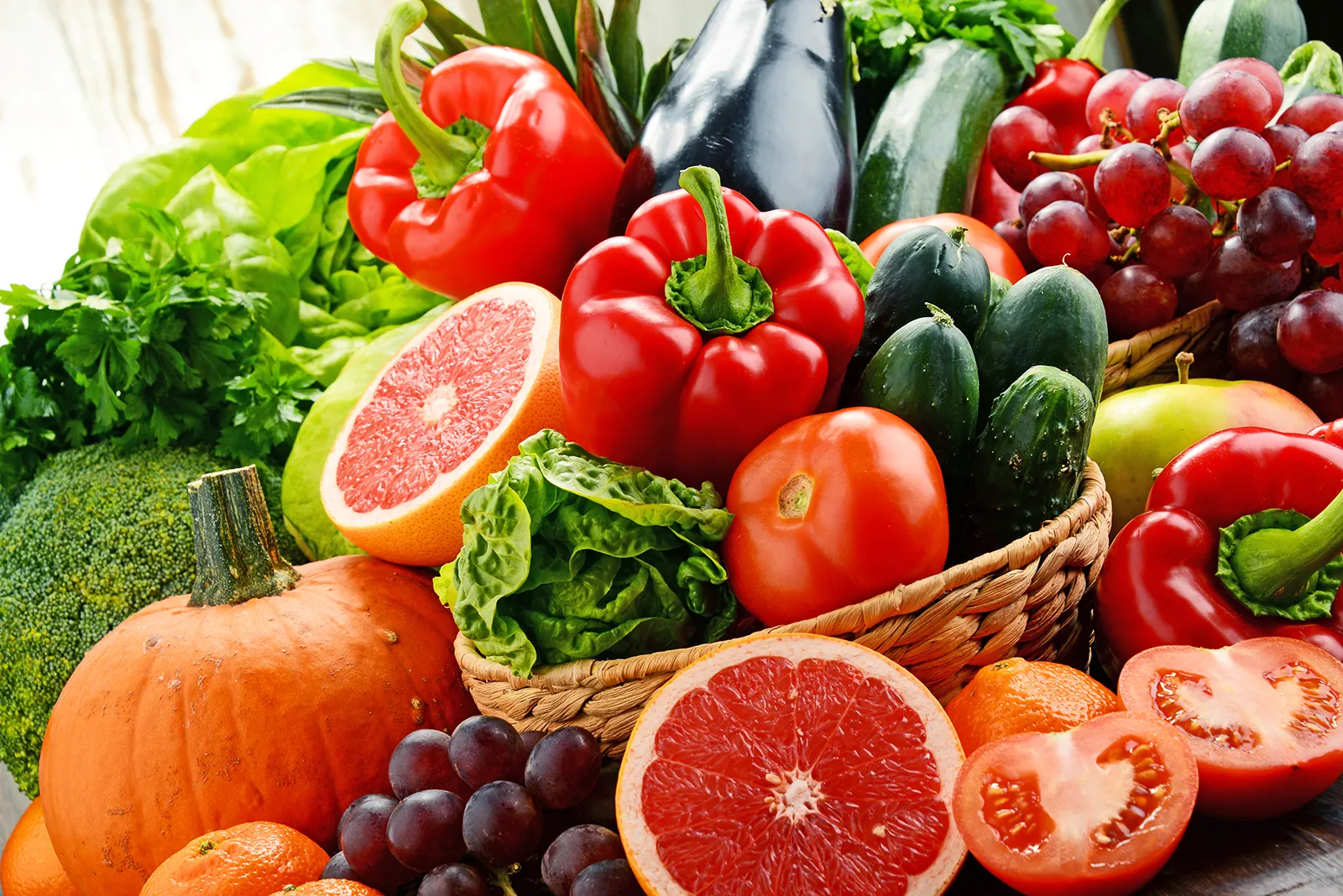
    These are the MVPs of your meals—the nutrient powerhouses you can rely on daily. They’re packed with vitamins, minerals, fiber, and proteins that support everything from immune function to heart health. Aim to fill most of your plate with them for steady energy and long-term wellness.

    Fruits and Berries

    Fruits like apples, bananas, and berries should be your go-to snacks. They’re loaded with antioxidants and natural sugars that provide quick energy without the crash. Blueberries, for instance, are brain boosters, helping with memory as you age.

    I love starting my day with a handful of mixed berries in yogurt—it’s simple, tasty, and keeps me full until lunch. Don’t worry about the sugar; the fiber slows absorption, making them far better than processed sweets.

    Vegetables, Especially Leafy Greens and Cruciferous Types

    Load up on spinach, kale, broccoli, and cauliflower. These veggies are fiber-rich and low-calorie, aiding digestion and weight management. Cruciferous ones like broccoli even have compounds that may reduce cancer risk.

    Growing up, I dodged veggies like they were chores, but now I sneak them into everything—stir-fries, smoothies, you name it. A big salad with mixed greens for lunch? It’s refreshing and keeps that afternoon slump at bay.

    Whole Grains

    Oats, quinoa, brown rice, and whole wheat bread offer complex carbs for sustained energy. They’re heart-friendly, helping lower cholesterol with their soluble fiber.

    Switching from white rice to brown was a game-changer for me; no more mid-day crashes. Try oatmeal for breakfast—top it with nuts for extra crunch and protein.

    Lean Proteins

    Chicken breast, turkey, fish like salmon, and plant-based options such as tofu or lentils build muscle and keep you satisfied. Fatty fish provides omega-3s for brain health.

    I grill salmon twice a week—it’s quick and pairs with any veggie. If you’re vegetarian, lentils in a stew are hearty and versatile.

    Nuts and Seeds

    Almonds, walnuts, chia, and flaxseeds are snack stars. They deliver healthy fats, protein, and vitamins that support heart and skin health.

    A small handful mid-afternoon curbs hunger without overdoing calories. I keep a jar mixed on my desk; it’s saved me from vending machine regrets more times than I can count.

    Dairy or Alternatives

    Low-fat yogurt, milk, or plant-based versions like almond milk provide calcium for bones. Greek yogurt is protein-packed and great for gut health with probiotics.

    I stir in some honey for sweetness—it’s like dessert but nutritious. If dairy bothers you, fortified alternatives work just as well.

    Comparison: Everyday Foods vs. Their Processed Counterparts

    To highlight why everyday foods shine, let’s compare them head-to-head with processed alternatives.

    Food TypeEveryday ExampleProcessed AlternativeKey Differences
    GrainsWhole oatsSugary cerealOats have more fiber, less sugar; cereals spike blood sugar.
    ProteinsGrilled chickenFried nuggetsChicken is lean; nuggets add trans fats and sodium.
    FruitsFresh appleApple pieApple offers fiber; pie piles on sugar and calories.
    VeggiesSteamed broccoliCanned with sauceFresh retains nutrients; canned often has added salt.

    As you see, sticking to whole forms keeps things nutrient-dense and satisfying.

    Occasional Foods: Treats for Balance and Enjoyment

    These aren’t villains—just foods to enjoy sparingly, maybe a few times a week. They add flavor and fun but can tip the scales if overindulged, due to higher calories, sugars, or fats.

    Red Meats

    Steak or burgers from lean cuts provide iron but also saturated fats. Limit to once or twice weekly to avoid heart strain.

    I save a good steak for weekends—it’s a treat that feels special without daily guilt.

    Full-Fat Dairy

    Cheese and ice cream are delicious but calorie-dense. A small portion satisfies without excess.

    Who doesn’t love cheese on a salad? Just don’t make it the main event every meal.

    Sweets and Baked Goods

    Dark chocolate or a slice of cake offers antioxidants or comfort, but sugars add up fast.

    I indulge in dark chocolate squares after dinner—it’s rich and portion-controlled.

    Alcohol

    A glass of wine has heart benefits, but more risks liver and calorie issues.

    Social drinks are fine; I stick to one at gatherings to keep things light.

    Refined Carbs

    White bread or pasta—tasty but low in fiber. Swap in occasionally for variety.

    Pasta night once a week? Absolutely, but whole grain versions bridge to everyday.

    Pros and Cons of Occasional Foods

    • Pros: Enhance meals emotionally, provide quick energy, add cultural flair (think holiday treats).
    • Cons: Can lead to weight gain, blood sugar swings, or nutrient gaps if they crowd out everyday options.

    Balance is key—treat them as accents, not staples.

    Rare Foods: Proceed with Caution

    These are the ones to minimize or avoid mostly, as they’re linked to health risks like obesity, diabetes, or heart disease. Save for rare occasions, if at all.

    Fried Foods

    French fries or doughnuts are loaded with trans fats and calories, harming arteries.

    I used to crave fries, but baking them at home scratches the itch without the oil bath.

    Processed Meats

    Bacon, sausages, and deli meats contain nitrates tied to cancer risks.

    They’re convenient, but I opt for fresh alternatives most days.

    Sugary Drinks

    Soda and energy drinks spike sugar levels, leading to crashes and weight gain.

    Water with lemon is my swap—refreshing and zero calories.

    Highly Processed Snacks

    Chips, cookies, and candy bars offer empty calories and additives.

    If I must, I choose small portions, but fresh fruit usually wins.

    Artificial Sweeteners in Excess

    Diet sodas might seem harmless, but they can disrupt gut health over time.

    I stick to natural options like stevia sparingly.

    Where to Get Quality Foods

    For everyday staples, hit up local farmers’ markets or grocery stores like Whole Foods for fresh produce. Online services like Thrive Market deliver nuts and grains affordably. Occasional treats? Bakeries or specialty shops ensure better quality. Rare items? Well, avoid them mostly, but if indulging, choose homemade versions to control ingredients.

    Best Tools for Meal Planning

    Apps like MyFitnessPal track categories easily. Kitchen gadgets? A good blender for smoothies or air fryer for healthier “fried” foods. Books like “How Not to Die” by Michael Greger offer evidence-based tips.

    People Also Ask

    Drawing from common searches, here are real questions folks ask on Google about this topic.

    What foods should I eat every day for optimal health?

    Focus on a mix of fruits, veggies, whole grains, lean proteins, and nuts. Aim for variety—think colorful plates for broad nutrients.

    What are “sometimes” or occasional foods?

    These include full-fat cheeses, sweets, and red meats—enjoy a few times weekly for balance without overdoing calories or fats.

    Which foods should I rarely eat or avoid?

    Steer clear of fried items, processed meats, sugary drinks, and highly processed snacks to minimize risks like heart disease.

    How do I transition to more everyday foods?

    Start small—swap one meal a day. Stock your kitchen with staples and experiment with recipes to keep it exciting.

    Are there superfoods for daily use?

    Yes, like berries, salmon, and kale—they pack extra nutrients but aren’t magic; variety is key.

    FAQ

    How many servings of everyday foods do I need?

    Aim for 5-7 fruits and veggies, 3-4 whole grains, and 2-3 proteins daily, per USDA guidelines. Adjust based on your needs.

    Can occasional foods be part of a weight loss plan?

    Absolutely, in moderation. They prevent deprivation, making diets sustainable. Track portions to stay on course.

    Why are rare foods so harmful?

    They often contain trans fats, excess sugar, and sodium, linked to chronic issues. Limiting them protects long-term health.

    What’s the best way to shop for these categories?

    Make a list: 70% everyday, 20% occasional, 10% rare (or less). Read labels—fewer ingredients mean better choices.

    How does this categorization help kids?

    It teaches balance early. My niece loves “green light” everyday foods now, making healthy eating fun instead of forced.

    In wrapping up, remember that food is fuel and pleasure rolled into one. By prioritizing everyday foods, sprinkling in occasional treats, and sidelining rare ones, you’re setting yourself up for vitality. I learned this the hard way after those college binges, but now? Eating feels empowering. Give it a try—your body will thank you. For more tips, check our healthy eating basics or external resources like Harvard’s Nutrition Source. Stay nourished!

  • What Are Ultra-Processed Foods?

    What Are Ultra-Processed Foods?

    Imagine standing in your kitchen, rummaging through the pantry after a long day. You spot a bag of chips, a box of instant noodles, and that tempting chocolate bar. We’ve all been there—reaching for convenience when hunger strikes. But what if I told you these everyday grabs might be silently reshaping your health? As someone who’s battled late-night snacking habits myself, I’ve learned that not all foods are created equal, especially when it comes to ultra-processed ones. This article dives deep into what they are, why they matter, and how to navigate a world full of them without feeling deprived.

    Defining Ultra-Processed Foods

    Ultra-processed foods aren’t just any packaged item; they’re industrial creations designed for long shelf life, irresistible taste, and ease. Think of them as foods stripped down and rebuilt with additives you wouldn’t stock in your home kitchen. They often include things like emulsifiers, artificial colors, and high-fructose corn syrup, making them hyper-palatable but nutrient-poor.

    These foods dominate supermarket shelves, from sodas to frozen pizzas, and they’ve become a staple in many diets. But their convenience comes at a cost, as they’re engineered to trigger cravings that keep you coming back. It’s like a sneaky trap set by food scientists—tasty, yes, but often leading to overeating without real satisfaction.

    The Rise of Ultra-Processing in Modern Diets

    Picture this: Back in my grandma’s day, meals came from fresh markets, not factories. Today, nearly 60% of calories in the average American diet come from ultra-processed foods, and for kids, it’s even higher at around 67%. This shift happened quietly over decades, fueled by busy lifestyles and clever marketing. We traded home-cooked simplicity for grab-and-go efficiency, but at what price? It’s no wonder obesity rates have skyrocketed— these foods are designed to be addictive, much like how my old habit of munching on cereal straight from the box turned into a nightly ritual.

    The NOVA Food Classification System Explained

    The NOVA system, developed by Brazilian researchers, sorts foods based on processing levels, not just nutrients. It’s a straightforward way to see beyond labels and understand what’s really in your cart. Group 1 covers unprocessed or minimally processed items like fresh fruits and veggies; Group 2 includes kitchen staples like oils and salt.

    Group 3 involves processed foods, such as canned beans or cheese, where simple additions preserve or enhance flavor. Then there’s Group 4: ultra-processed, the culprits with industrial twists that make them far from natural. This framework helped me rethink my shopping list—swapping out flavored yogurts for plain ones felt like a small win, but it added up.

    Why NOVA Matters for Everyday Eating

    NOVA isn’t about shaming your choices; it’s a tool for awareness. By focusing on processing extent, it highlights how ultra-processed items displace healthier options. I remember ignoring labels until a health scare made me curious—turns out, that “healthy” granola bar was more processed than I thought. Using NOVA, you can spot patterns in your diet and make tweaks that feel empowering, not restrictive.

    Common Examples of Ultra-Processed Foods

    Ultra-processed foods lurk in surprising places. Take packaged breads: Most supermarket loaves contain preservatives and emulsifiers to stay soft for weeks. Breakfast cereals, even those marketed as “whole grain,” often pack in sugars and artificial flavors that outshine any real nutrition.

    Frozen meals and hot dogs are classics—quick to heat, but loaded with sodium and additives. Don’t forget sodas, chips, and candy; they’re the obvious offenders, but flavored yogurts and energy drinks sneak in too. Last summer, I grabbed what I thought was a healthy snack bar on a hike, only to realize it was basically candy in disguise. Eye-opening, right?

    Sneaky Ultra-Processed Items You Might Overlook

    Not all ultra-processed foods scream “junk.” Instant oatmeal sounds wholesome, but many versions add sugars and flavors. Jarred pasta sauces can hide emulsifiers, and even some plant-based milks get ultra-processed with thickeners. I once swapped my morning smoothie base for plain almond milk, ditching the sweetened kind—it tasted fresher and kept me fuller longer.

    Why Ultra-Processed Foods Are a Growing Concern

    These foods aren’t just convenient; they’re engineered for profit, with cheap ingredients stretched far. They contribute to overconsumption because they’re easy to eat quickly—think how fast a bag of chips disappears compared to an apple. This hyper-palatability, combining fat, sugar, and salt, hijacks our brain’s reward system, much like my endless scrolling through snack aisles.

    Globally, they’re linked to rising chronic diseases, especially in kids who get hooked early. It’s a societal issue, with marketing targeting busy families. But awareness is key; once I started questioning why I craved certain items, breaking the cycle became easier.

    The Environmental Angle

    Ultra-processing isn’t just about health—it’s resource-intensive, from massive factories to plastic packaging. Choosing less processed options supports sustainable farming. I felt a quiet satisfaction planting my own herbs; small steps like that reduce waste and connect you back to real food sources.

    Health Impacts of Ultra-Processed Foods

    The evidence is mounting: Diets high in ultra-processed foods raise risks for obesity, type 2 diabetes, and heart disease by 40-50% or more. They disrupt gut health, leading to inflammation that fuels chronic issues. A study of nearly 10 million people tied them to 32 health conditions, including cancers and mental health woes.

    Personally, cutting back helped my energy levels soar—no more afternoon crashes from sugary snacks. It’s emotional too; feeling in control of your plate boosts mood, countering the depression links found in research.

    Mental Health Connections

    Ultra-processed foods may worsen anxiety and depression, perhaps due to poor nutrient profiles lacking brain-boosting elements like omega-3s. I noticed clearer thinking after ditching processed treats for nuts and fruits—it’s like fog lifting. Humorously, my “hangry” episodes vanished, making family dinners more peaceful.

    Processed vs. Ultra-Processed: A Comparison

    Not all processing is bad. Processed foods like canned veggies add convenience without heavy additives, while ultra-processed ones transform ingredients beyond recognition.

    AspectProcessed FoodsUltra-Processed Foods
    ExamplesCanned tuna, cheeseSoda, chicken nuggets
    IngredientsFew, recognizableMany, industrial additives
    Health ImpactCan be nutritious if low-sodiumOften high in sugar/salt, linked to diseases
    Shelf LifeModerateVery long
    Nutritional ValueRetains some nutrientsOften depleted

    This table shows the spectrum—opt for processed when needed, but minimize ultra.

    Pros and Cons of Ultra-Processed Foods

    Pros:

    • Convenient for busy days.
    • Affordable and accessible.
    • Long-lasting, reducing waste.

    Cons:

    • Nutrient-poor, leading to deficiencies.
    • Promote overeating and weight gain.
    • Associated with serious health risks like cancer and dementia.

    Balancing is key; I indulge occasionally but prioritize whole foods most days.

    How to Identify Ultra-Processed Foods

    Check labels: If ingredients include hydrogenated oils, artificial sweeteners, or unpronounceable chemicals, it’s likely ultra-processed. Look for high sugar/salt content too. Shop the store’s perimeter for fresh items; aisles hide the processed stuff.

    I started this habit during a grocery challenge with friends—it turned shopping into a game, spotting “imposters” like disguised healthy bars. Over time, it became second nature.

    Using Apps and Tools for Better Choices

    Apps like Yuka or Fooducate scan barcodes to reveal processing levels—handy for quick decisions. For transactional intent, try meal-planning apps like Mealime for whole-food recipes. Where to get fresh alternatives? Farmers’ markets or services like Imperfect Foods deliver affordable produce, cutting out middlemen.

    Strategies to Avoid Ultra-Processed Foods

    Start small: Swap soda for infused water—add lemon for zest. Cook batches of meals on weekends; my go-to is veggie stir-fries that last days. Focus on whole foods: fruits, veggies, nuts, lean proteins.

    Emotional appeal: Remember family gatherings around homemade dishes? Recreate that warmth. Light humor: Who knew avoiding chips could make you feel like a kitchen superhero?

    Building Habits That Stick

    Track progress with a journal—note how you feel after meals. Involve kids in cooking; it teaches them early. For navigational help, local co-ops offer classes on label reading.

    Best Alternatives to Ultra-Processed Foods

    Ditch cereals for overnight oats with fresh berries—simple, satisfying. Instead of chips, try air-popped popcorn or roasted chickpeas for crunch. Homemade pasta sauce beats jarred; blend tomatoes, garlic, herbs.

    • Whole-grain bread (bake your own for fun).
    • Plain yogurt topped with nuts.
    • Fresh salads over frozen meals.

    These swaps saved me money and improved my cooking skills—win-win.

    Transactional Tips: Top Tools and Sources

    Best tools: NutriBullet for smoothies, Instant Pot for quick whole-food meals. Where to buy? Whole Foods or online via Thrive Market for organic alternatives. Apps like Instacart make sourcing easy.

    People Also Ask

    What are some surprising ultra-processed foods?

    Items like flavored yogurts, plant-based meats, and whole-grain breads often qualify due to additives. Even “healthy” options can hide processing.

    Are all processed foods bad?

    No—minimally processed like frozen veggies are fine. It’s ultra-processing that raises red flags.

    How do ultra-processed foods affect kids?

    They contribute to obesity and poor habits early on, with over 60% of kids’ calories from them.

    Can I eat ultra-processed foods in moderation?

    Yes, but aim to limit to treats. Balance with whole foods for best health.

    FAQ

    What defines an ultra-processed food?

    It’s made with industrial ingredients like additives and emulsifiers, not found in home cooking, per the NOVA system.

    Why are ultra-processed foods linked to cancer?

    They often contain carcinogens from processing, like in meats, and displace nutrient-rich foods.

    How can I transition to fewer ultra-processed foods?

    Start by reading labels, cooking more, and swapping one item weekly—like chips for nuts.

    Are there healthy ultra-processed options?

    Some, like fortified breads or yogurts, but they’re exceptions. Prioritize minimal processing.

    What’s the best way to shop for alternatives?

    Focus on fresh produce sections and check ingredient lists for simplicity.

    In wrapping up, ultra-processed foods are everywhere, but armed with knowledge, you can reclaim your plate. It’s not about perfection—it’s progress. I still enjoy the occasional treat, but my life feels richer with real flavors. For more on healthy eating, check Harvard’s Nutrition Source or our internal guide on meal prepping. Here’s to healthier choices that taste just as good!