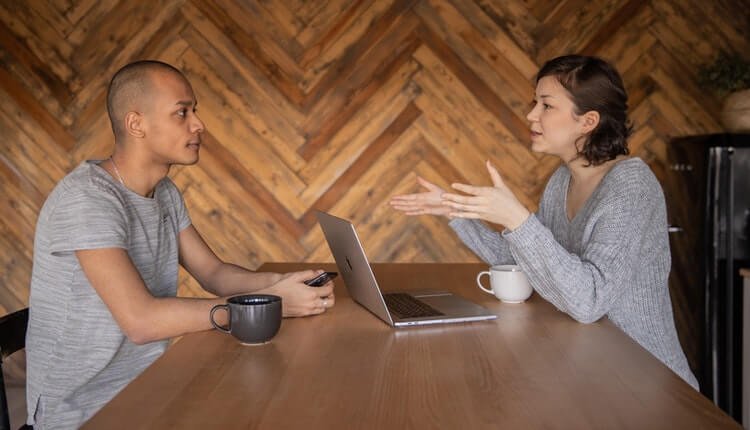
Imagine this: You’re sitting across from a sharp-eyed reporter, lights glaring, camera rolling. You’ve prepped your key messages, feeling confident about representing your company’s stance on a hot-button issue. Then comes the curveball: “But what do you think, personally?” Your mind races. Do you spill your guts or stick to the script? I’ve been there myself, back when I was a junior spokesperson for a tech firm during a product recall scandal. That one question nearly derailed me, turning what could have been a solid interview into a headline-grabbing mess. It’s a sneaky trap, one that catches even seasoned pros off guard, and today we’re diving deep into why it happens, how to spot it, and most importantly, how to sidestep it without breaking a sweat.
Understanding the Personal Opinion Trap
At its core, this trap exploits the human urge to be authentic in a high-stakes setting like a media interview. Reporters know that personal opinions can make stories juicier, revealing cracks in official narratives or sparking controversy. But for spokespeople, blurring the line between “me” and “we” can undermine credibility and invite unwanted scrutiny.
The Classic Trap: When Your Views Clash with the Company’s
Picture a scenario where your employer rolls out a policy you secretly disagree with, like cutting employee perks to boost profits. If a journalist probes your personal take, agreeing publicly could paint you as disloyal, while disagreeing might expose internal rifts. It’s a no-win spot that tests your allegiance.
The Other Trap: Even Agreement Can Backfire
Here’s the twist that’s often overlooked: What if you do agree with the policy? Answering one personal question opens the floodgates for follow-ups on thornier topics. Suddenly, you’re inconsistent—eager to share on easy wins but clamming up on the tough stuff, making you look evasive.
Why Reporters Use This Tactic
Journalists aren’t villains; they’re storytellers chasing engagement in a click-driven world. Asking for your “personal opinion” humanizes the interview, potentially uncovering nuances that official statements gloss over. It’s a tool to build rapport, but it can also expose vulnerabilities, turning a routine chat into front-page drama.
Real-Life Examples from the Trenches
Let me share a story from my early days in public relations. I was coaching a CEO for a TV spot on environmental regulations his company supported—but he personally thought they were overkill. When the anchor asked his opinion, he hesitated, then blurted his doubts. The clip went viral, not for the policy details, but for the “honest slip.” It cost us weeks of damage control. Or take the infamous case of a airline exec in 2017 who agreed personally with a passenger removal policy in one breath, then dodged questions on safety lapses—viewers smelled hypocrisy, and social media erupted.
Another gem: During a political scandal in 2020, a White House aide was grilled on immigration. She enthusiastically backed one reform personally, but when pressed on family separations, she pivoted to “official views.” The inconsistency fueled late-night comedy sketches, turning her into a punchline. These tales aren’t just cautionary; they’re reminders that even well-intentioned candor can bite back.
The Psychological Pull: Why We Fall for It
We humans crave connection, and interviews can feel like conversations. That emotional tug makes us want to drop the corporate mask. Add a dash of flattery—”I’d love your unique perspective”—and it’s easy to forget the stakes. But remember, while it feels personal, it’s always professional.
How to Spot the Trap Before It Springs
Awareness is your first defense. Listen for phrases like “Off the record, what do you think?” or “As a person, not a spokesperson…” These are red flags signaling a shift from facts to feelings. In my experience, they often come mid-interview, after you’ve built some trust, catching you when your guard is down.
Training Your Ear for Subtle Cues
Reporters might soften it with empathy: “I know this must be tough for you personally.” It’s bait. Pause, breathe, and redirect. I’ve trained dozens of execs who now laugh about how obvious it becomes once you’re tuned in.
Strategies to Avoid the Personal Opinion Pitfall
Preparation beats panic every time. Start by aligning with your organization’s messaging—know it cold. If a question veers personal, politely reframe: “I’m here representing our team’s view, which is…” It’s not dodging; it’s staying on mission.
- Practice Bridging: Transition smoothly from the question to your key point. Example: “While personal views vary, our data shows…”
- Role-Play Scenarios: Grab a colleague and simulate tough spots. I once did this with a client who nailed it live after fumbling in rehearsal.
- Set Boundaries Early: At the interview’s start, clarify: “I’ll speak as our company’s voice today.”
- Use Humor Lightly: If appropriate, deflect with a chuckle: “My personal opinion? Coffee should be free everywhere—but on this, our stance is clear.”
Bridging Techniques: Your Secret Weapon
Bridging is like a verbal pivot, acknowledging the question without answering it directly. It’s media training 101, and it works wonders. For instance, if asked about your take on a controversial merger, say: “That’s an interesting angle, and it ties into how we’re focused on growth for all stakeholders.”
Advanced Bridging for Sticky Situations
For deeper traps, layer in facts: “Personally or not, the numbers speak volumes—our approach has boosted efficiency by 30%.” This keeps the focus factual and forward-moving.
Pros and Cons of Sharing Personal Opinions
Weighing the risks? Here’s a balanced look to help you decide when—if ever—to venture there.
Pros:
- Builds authenticity, making you relatable.
- Can humanize complex issues, fostering public trust.
- Occasionally aligns perfectly, amplifying your message.
Cons:
- Risks inconsistency, eroding corporate unity.
- Opens doors to follow-ups that expose weaknesses.
- Can lead to misquotes or viral out-of-context clips.
In my view, the cons often outweigh the pros unless you’re in a low-stakes, friendly chat.
Comparison: Personal Opinion vs. Corporate Stance in Interviews
To visualize the differences, check this table breaking down key aspects.
| Aspect | Personal Opinion | Corporate Stance |
|---|---|---|
| Focus | Individual beliefs and experiences | Organizational goals and data |
| Risk Level | High—can contradict official views | Low—aligned and vetted |
| Impact on Credibility | Can build rapport but risks hypocrisy | Reinforces authority and consistency |
| Example Response | “I think it’s a bad idea because…” | “Our team believes this advances…” |
| Best Used When | In casual podcasts or opinion pieces | In all formal media interactions |
This comparison highlights why sticking corporate usually wins for professionalism.
The Emotional Side: Building Connection Without the Risk
Interviews aren’t robotic; injecting warmth matters. Share anecdotes tied to company values, like “I’ve seen firsthand how this policy helps families,” without crossing into pure opinion. It creates that human link reporters crave, minus the pitfalls. Once, I advised a nonprofit leader who wove in a light-hearted story about her team’s coffee breaks—it softened the edges without veering off-script.
People Also Ask: Common Queries on Media Traps
Drawing from real Google searches, here’s what folks are wondering about this topic.
What is the personal opinion trap in media interviews?
It’s when reporters ask for your individual views to potentially uncover discrepancies or generate buzz, often leading to unintended headlines.
How do you handle tough personal questions in an interview?
Acknowledge briefly, then bridge to your prepared message. Avoid “no comment”—it sounds shady; opt for transparency within bounds.
Why do journalists ask for personal opinions?
To add depth and humanity to stories, but it can also probe for conflicts that make news more shareable.
What are common media interview traps to avoid?
Beyond opinions, watch for hypotheticals (“What if…?”), loaded questions, and silence traps where pausing invites filler blunders.
Informational Deep Dive: What Is Media Training, Anyway?
Media training equips you with skills to navigate interviews like a pro. It covers everything from body language to message crafting, turning potential disasters into wins. Think of it as boot camp for your public voice—essential in today’s 24/7 news cycle.
Where to Get Top-Notch Media Training
Looking for resources? Start with reputable firms like Throughline Group or Doole Communications—they offer workshops tailored to your industry. Online platforms like Coursera have courses from ex-journalists, or check local PR associations for in-person sessions.
Best Tools for Preparing for Media Interviews
For transactional folks ready to invest, here are standout options.
- Message Mapping Apps: Tools like MindMeister help visualize key points.
- Recording Software: Use Loom to practice and self-critique.
- AI Simulators: Platforms like Interviewing.io offer mock sessions with feedback.
- Books: Grab “The Media Training Bible” for timeless tips.
These can transform your prep from guesswork to strategy.
FAQ: Answering Your Burning Questions
What should I do if my personal opinion differs from my company’s?
Handle it internally first—discuss with leadership. In interviews, always represent the organization to maintain unity.
Is it ever okay to share a personal opinion in media?
Rarely, and only if it aligns perfectly and adds value without risk. Otherwise, it’s a slippery slope.
How can I practice avoiding this trap?
Role-play with a trusted peer mimicking aggressive reporters. Record and review for slips.
What if a reporter insists on my personal view?
Politely reiterate: “I’m speaking on behalf of the team today.” If pushy, end the interview gracefully.
Does this trap apply to social media too?
Absolutely—tweets can be quoted as “personal” but tied to your role, so think twice before posting.
Wrapping It Up: Mastering the Art of the Dodge
Navigating the “personal opinion” trap isn’t about being evasive; it’s about being smart. By sticking to your message, using bridges, and injecting just enough humanity, you can turn interviews into opportunities rather than ordeals. Remember my early fumble? It taught me that authenticity shines brightest when channeled through preparation. Next time that question pops up, you’ll smile inwardly, pivot like a pro, and keep the focus where it belongs. Stay sharp out there—your reputation depends on it.