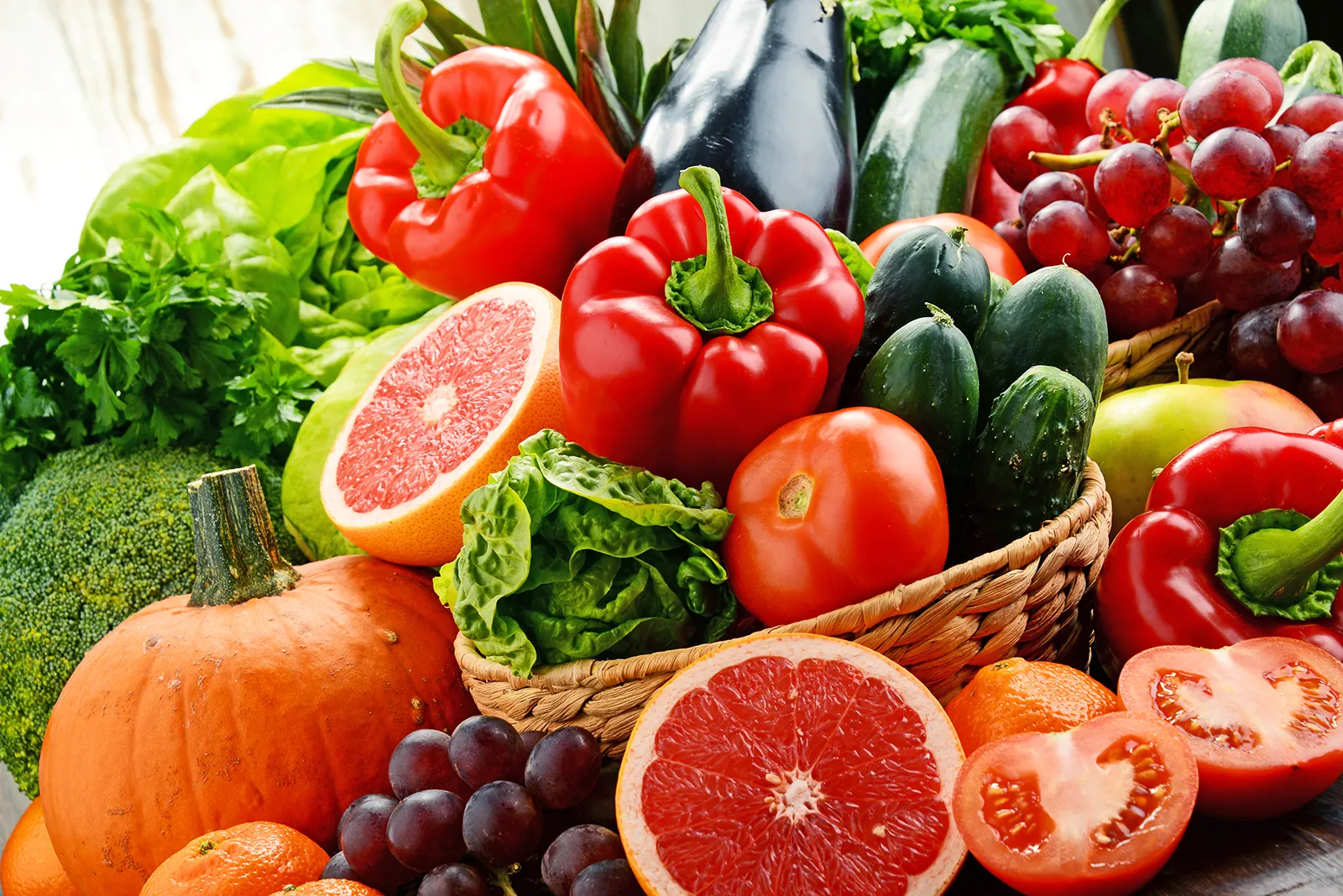
Hey there, reader. Let’s talk about something we all deal with every day—food. I remember back in my college days, surviving on instant noodles and pizza deliveries, thinking I was invincible. Boy, was I wrong. One bad stomach bug later, and I started paying attention to what I put in my body. Turns out, not all foods are created equal. Some are like reliable old friends you want around all the time, others are fun for a party now and then, and a few? Well, they’re the sketchy acquaintances you might see once in a blue moon, if at all. This guide dives deep into categorizing foods this way, drawing from solid nutrition wisdom to help you build a balanced diet that feels good and keeps you going strong.
Categorizing foods into everyday, occasional, and rare isn’t about strict rules or deprivation. It’s about smart choices that support your health without sucking the joy out of eating. Think of it as curating your pantry like a playlist—mostly hits, some guilty pleasures, and skipping the duds. We’ll explore what belongs where, why it matters, and how to make it work in real life. Whether you’re meal prepping for the week or grabbing a quick bite, this breakdown can transform how you approach your plate.
Why Categorizing Foods Matters
Sorting foods into these buckets helps you maintain balance without overthinking every meal. Everyday foods fuel your body with essential nutrients, keeping energy steady and warding off illnesses. Occasional ones add variety and enjoyment, preventing burnout from too much routine. Rare foods? They’re the ones that might taste amazing but come with risks if overdone, like spiking blood sugar or loading up on unhealthy fats.
This approach aligns with guidelines from experts like those at Harvard Health or the Mayo Clinic—focusing on whole foods for daily intake while allowing flexibility. It’s not a diet fad; it’s sustainable living. I once ignored this and ended up feeling sluggish all the time. Switching to more everyday staples turned that around, and honestly, it was easier than I thought.
Everyday Foods: The Foundation of Your Diet
These are the MVPs of your meals—the nutrient powerhouses you can rely on daily. They’re packed with vitamins, minerals, fiber, and proteins that support everything from immune function to heart health. Aim to fill most of your plate with them for steady energy and long-term wellness.
Fruits and Berries
Fruits like apples, bananas, and berries should be your go-to snacks. They’re loaded with antioxidants and natural sugars that provide quick energy without the crash. Blueberries, for instance, are brain boosters, helping with memory as you age.
I love starting my day with a handful of mixed berries in yogurt—it’s simple, tasty, and keeps me full until lunch. Don’t worry about the sugar; the fiber slows absorption, making them far better than processed sweets.
Vegetables, Especially Leafy Greens and Cruciferous Types
Load up on spinach, kale, broccoli, and cauliflower. These veggies are fiber-rich and low-calorie, aiding digestion and weight management. Cruciferous ones like broccoli even have compounds that may reduce cancer risk.
Growing up, I dodged veggies like they were chores, but now I sneak them into everything—stir-fries, smoothies, you name it. A big salad with mixed greens for lunch? It’s refreshing and keeps that afternoon slump at bay.
Whole Grains
Oats, quinoa, brown rice, and whole wheat bread offer complex carbs for sustained energy. They’re heart-friendly, helping lower cholesterol with their soluble fiber.
Switching from white rice to brown was a game-changer for me; no more mid-day crashes. Try oatmeal for breakfast—top it with nuts for extra crunch and protein.
Lean Proteins
Chicken breast, turkey, fish like salmon, and plant-based options such as tofu or lentils build muscle and keep you satisfied. Fatty fish provides omega-3s for brain health.
I grill salmon twice a week—it’s quick and pairs with any veggie. If you’re vegetarian, lentils in a stew are hearty and versatile.
Nuts and Seeds
Almonds, walnuts, chia, and flaxseeds are snack stars. They deliver healthy fats, protein, and vitamins that support heart and skin health.
A small handful mid-afternoon curbs hunger without overdoing calories. I keep a jar mixed on my desk; it’s saved me from vending machine regrets more times than I can count.
Dairy or Alternatives
Low-fat yogurt, milk, or plant-based versions like almond milk provide calcium for bones. Greek yogurt is protein-packed and great for gut health with probiotics.
I stir in some honey for sweetness—it’s like dessert but nutritious. If dairy bothers you, fortified alternatives work just as well.
Comparison: Everyday Foods vs. Their Processed Counterparts
To highlight why everyday foods shine, let’s compare them head-to-head with processed alternatives.
| Food Type | Everyday Example | Processed Alternative | Key Differences |
|---|---|---|---|
| Grains | Whole oats | Sugary cereal | Oats have more fiber, less sugar; cereals spike blood sugar. |
| Proteins | Grilled chicken | Fried nuggets | Chicken is lean; nuggets add trans fats and sodium. |
| Fruits | Fresh apple | Apple pie | Apple offers fiber; pie piles on sugar and calories. |
| Veggies | Steamed broccoli | Canned with sauce | Fresh retains nutrients; canned often has added salt. |
As you see, sticking to whole forms keeps things nutrient-dense and satisfying.
Occasional Foods: Treats for Balance and Enjoyment
These aren’t villains—just foods to enjoy sparingly, maybe a few times a week. They add flavor and fun but can tip the scales if overindulged, due to higher calories, sugars, or fats.
Red Meats
Steak or burgers from lean cuts provide iron but also saturated fats. Limit to once or twice weekly to avoid heart strain.
I save a good steak for weekends—it’s a treat that feels special without daily guilt.
Full-Fat Dairy
Cheese and ice cream are delicious but calorie-dense. A small portion satisfies without excess.
Who doesn’t love cheese on a salad? Just don’t make it the main event every meal.
Sweets and Baked Goods
Dark chocolate or a slice of cake offers antioxidants or comfort, but sugars add up fast.
I indulge in dark chocolate squares after dinner—it’s rich and portion-controlled.
Alcohol
A glass of wine has heart benefits, but more risks liver and calorie issues.
Social drinks are fine; I stick to one at gatherings to keep things light.
Refined Carbs
White bread or pasta—tasty but low in fiber. Swap in occasionally for variety.
Pasta night once a week? Absolutely, but whole grain versions bridge to everyday.
Pros and Cons of Occasional Foods
- Pros: Enhance meals emotionally, provide quick energy, add cultural flair (think holiday treats).
- Cons: Can lead to weight gain, blood sugar swings, or nutrient gaps if they crowd out everyday options.
Balance is key—treat them as accents, not staples.
Rare Foods: Proceed with Caution
These are the ones to minimize or avoid mostly, as they’re linked to health risks like obesity, diabetes, or heart disease. Save for rare occasions, if at all.
Fried Foods
French fries or doughnuts are loaded with trans fats and calories, harming arteries.
I used to crave fries, but baking them at home scratches the itch without the oil bath.
Processed Meats
Bacon, sausages, and deli meats contain nitrates tied to cancer risks.
They’re convenient, but I opt for fresh alternatives most days.
Sugary Drinks
Soda and energy drinks spike sugar levels, leading to crashes and weight gain.
Water with lemon is my swap—refreshing and zero calories.
Highly Processed Snacks
Chips, cookies, and candy bars offer empty calories and additives.
If I must, I choose small portions, but fresh fruit usually wins.
Artificial Sweeteners in Excess
Diet sodas might seem harmless, but they can disrupt gut health over time.
I stick to natural options like stevia sparingly.
Where to Get Quality Foods
For everyday staples, hit up local farmers’ markets or grocery stores like Whole Foods for fresh produce. Online services like Thrive Market deliver nuts and grains affordably. Occasional treats? Bakeries or specialty shops ensure better quality. Rare items? Well, avoid them mostly, but if indulging, choose homemade versions to control ingredients.
Best Tools for Meal Planning
Apps like MyFitnessPal track categories easily. Kitchen gadgets? A good blender for smoothies or air fryer for healthier “fried” foods. Books like “How Not to Die” by Michael Greger offer evidence-based tips.
People Also Ask
Drawing from common searches, here are real questions folks ask on Google about this topic.
What foods should I eat every day for optimal health?
Focus on a mix of fruits, veggies, whole grains, lean proteins, and nuts. Aim for variety—think colorful plates for broad nutrients.
What are “sometimes” or occasional foods?
These include full-fat cheeses, sweets, and red meats—enjoy a few times weekly for balance without overdoing calories or fats.
Which foods should I rarely eat or avoid?
Steer clear of fried items, processed meats, sugary drinks, and highly processed snacks to minimize risks like heart disease.
How do I transition to more everyday foods?
Start small—swap one meal a day. Stock your kitchen with staples and experiment with recipes to keep it exciting.
Are there superfoods for daily use?
Yes, like berries, salmon, and kale—they pack extra nutrients but aren’t magic; variety is key.
FAQ
How many servings of everyday foods do I need?
Aim for 5-7 fruits and veggies, 3-4 whole grains, and 2-3 proteins daily, per USDA guidelines. Adjust based on your needs.
Can occasional foods be part of a weight loss plan?
Absolutely, in moderation. They prevent deprivation, making diets sustainable. Track portions to stay on course.
Why are rare foods so harmful?
They often contain trans fats, excess sugar, and sodium, linked to chronic issues. Limiting them protects long-term health.
What’s the best way to shop for these categories?
Make a list: 70% everyday, 20% occasional, 10% rare (or less). Read labels—fewer ingredients mean better choices.
How does this categorization help kids?
It teaches balance early. My niece loves “green light” everyday foods now, making healthy eating fun instead of forced.
In wrapping up, remember that food is fuel and pleasure rolled into one. By prioritizing everyday foods, sprinkling in occasional treats, and sidelining rare ones, you’re setting yourself up for vitality. I learned this the hard way after those college binges, but now? Eating feels empowering. Give it a try—your body will thank you. For more tips, check our healthy eating basics or external resources like Harvard’s Nutrition Source. Stay nourished!